
Planning a Proposal in Osaka? A Local Photographer’s Guide
Verified by Tsuyoshi Tagawa, Smiler photographer in Osaka
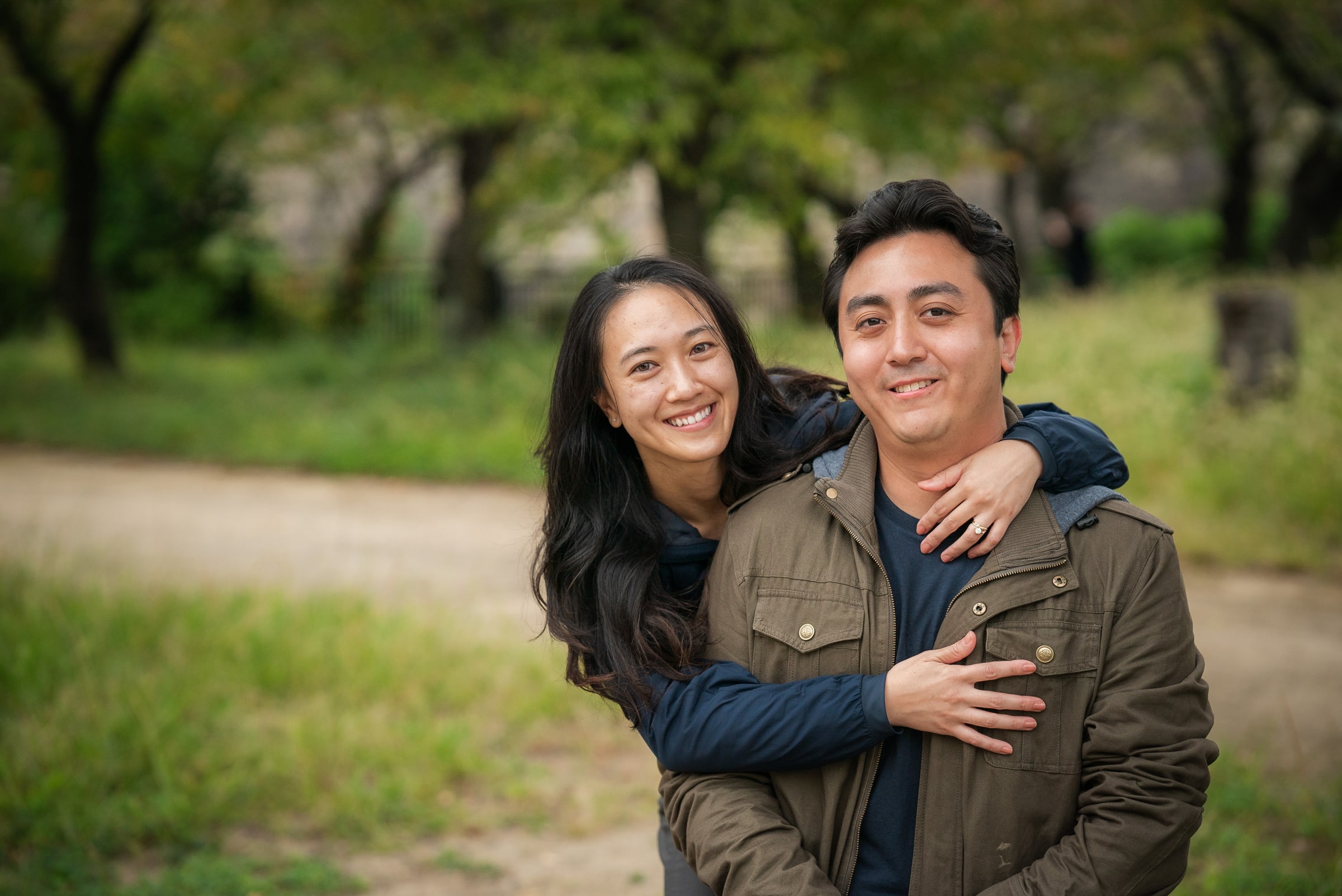
A proposal in Osaka comes down to three decisions: the spot, the timing, and whether your photographer is already in position before you arrive. A photographer who walks in with you tips off the moment before it happens. One who scouts the spot beforehand and waits nearby, looking like any other tourist, keeps the moment genuine, with a discreet signal agreed in advance so you never have to look for a camera at the worst possible time.
The spot matters as much as the setup. Dotonbori Canal, under the Glico Sign, gives you neon and moving crowds if that's the backdrop you want. Nakanoshima Park is the quieter option: the rose garden is free to enter around the clock, with roughly 3,700 roses blooming mid-to-late May and again in mid-to-late October, and there's enough space to angle your partner away from foot traffic until the moment you want. Osaka Castle's Nishinomaru Garden works if you want the tower framed behind you, though it keeps set hours rather than staying open all night, so timing the light matters more there.
A 15-minute shoot from €129 covers a photographer's full attention for that window and 10 edited photos delivered to a private gallery within 48 hours, enough to catch the proposal itself plus the minutes right after. The 30-minute session (€199, 25 photos) leaves room to carry on into a couples shoot, and sunrise and sunset slots add €35. Nothing is required from you on the day beyond showing up: no printouts, no on-the-spot payment, only the outfit you want in the photos.
Want pro photos in Osaka?
See Osaka photographers and prices →Local photographer's tip
“Everyone dreams of proposing on the Umeda Sky rooftop at sunset, and I get it, but that's exactly when it's packed. Come up earlier in the afternoon instead. The view's just as huge, the light's still lovely, and you're not kneeling in the middle of a crowd.”
Planning the Moment
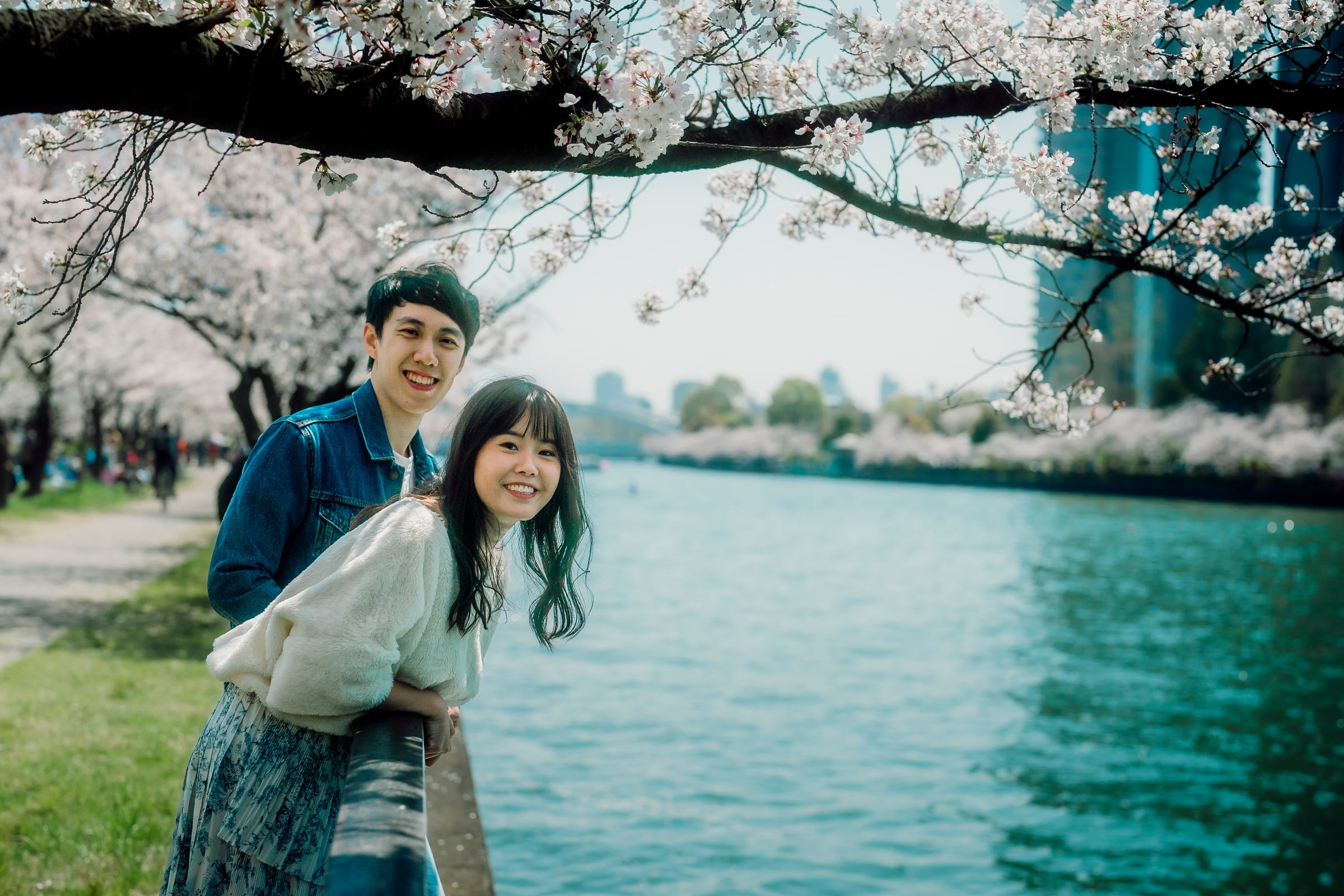
How to propose in Osaka comes down to timing three things at once: the light, the crowd and your partner's attention. At Dotonbori, the Glico sign is lit from 6 PM until midnight, while the Tombori River Walk below Ebisubashi Bridge avoids the worst of the crowd. For the attention, agree a discreet signal with your photographer in advance, so they know the moment is coming before your partner does.
- 1
Pick a Spot That Matches the Mood
Decide whether you want a canal-side backdrop with neon reflections, a temple courtyard, or a garden view of the castle: each reads differently on camera and feels different to stand in. The common mistake is choosing a spot for its fame instead of asking whether it fits how your partner reacts to surprises, loud or hushed.
- 2
Time It Around the Light
Osaka's sunrise and sunset windows shift a lot by season, from a 04:44 summer sunrise to a 07:05 winter one, so check the season you're proposing in before fixing an hour rather than copying a time from someone else's trip. The mistake people make is picking a time that photographs well but is awkward to explain to a partner who isn't a morning person.
- 3
Brief Your Photographer on the Signal
Agree on a discreet cue in advance, a raised hand, a specific word, a phone call, anything that tells the photographer to start shooting before you kneel. The photographer scouts the spot ahead of time and waits nearby looking like any other tourist. The one thing people forget: agree on the signal in a quiet moment, not in a rushed text the morning of.
- 4
Keep the Setup Simple
Nothing needs to be printed and payment is handled before you arrive, so your hands and pockets stay free for the ring only. Bring an outfit if you want one; nothing else is required. People overpack this moment, arriving with props or backup plans that end up in every frame instead of staying out of it.
- 5
Build in a Buffer for Weather or Crowds
If the forecast turns or your chosen spot is suddenly swarmed, rescheduling is free up to 24 hours before the shoot, so a grey morning doesn't have to wreck the plan. Light rain usually isn't a dealbreaker if you and the photographer agree to keep going. The mistake is treating the first date as fixed instead of as a placeholder with a free out.
- 6
Keep Moving After the Yes
Say yes to a few simple prompts from the photographer, a walk, a turn, a hand held up, rather than freezing in place once the question's out. Photographers direct with movement, not stiff poses, precisely because the stiffest photos happen when people stop and don't know what to do with their hands next.
- 7
Review the Gallery Together, Later
Photos land in a private online gallery within 48 hours, which means no checking a phone for previews on the day itself, just being present in it. Look through them together once, not alone first. The common mistake is treating delivery as an afterthought instead of planning a quiet moment to open the gallery side by side.
Best Proposal Spots in Osaka
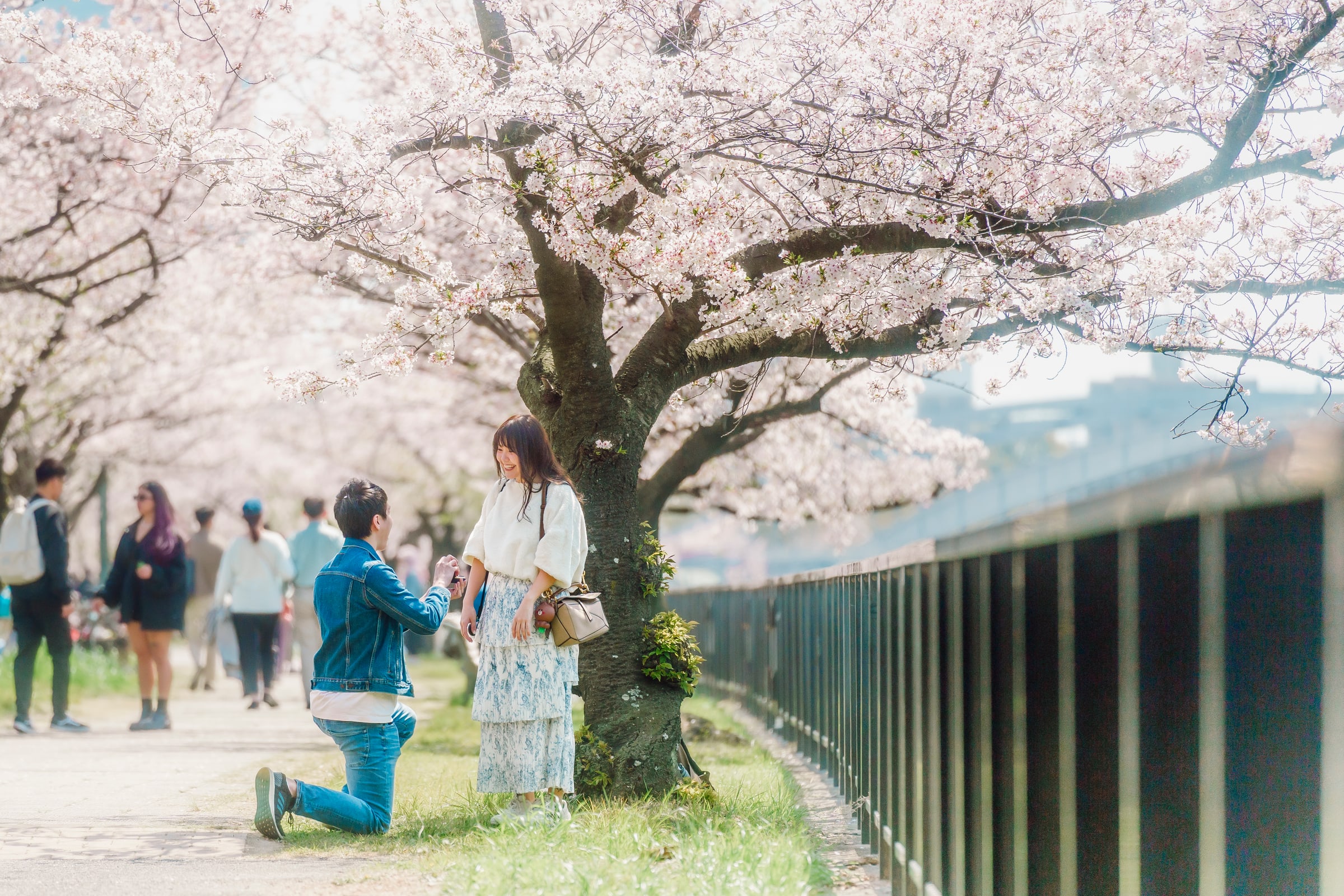
Where to propose in Osaka comes down to one test: a photographer with a camera should look like just another visitor. Each spot below is a place where tourists stop to take photos anyway, so your photographer can wait in position without standing out, then move in once the ring is out.
1 Dotonbori Canal & Glico Sign
The neon and canal reflection make a bold backdrop, but Ebisubashi Bridge is a crowd chokepoint most evenings. Your photographer can post up along the River Walk railing, close enough to catch your face, far enough to read as a stranger with a camera.
from €129crowds: high
Best time: Around 6:00 AM, before the daytime crowds arrive, or 6 PM to midnight while the sign is lit
2 Shitennoji Temple
The older architecture photographs quietly, and the outer grounds stay calm; photography rules apply inside the pagoda and temple halls, so check on the day.
from €129crowds: low
Best time: Weekday morning, before the paid inner precinct opens
Tip: Keep the moment in the outer grounds, which are free to enter at any time.
3 Nakanoshima Park
Open lawns and the rose garden give a photographer long, unobstructed sightlines and several tree lines to duck behind between shots, making it one of the easier spots to stay unseen.
crowds: low
Best time: Weekday morning during peak rose bloom, mid-to-late May or mid-to-late October
Tip: Roses peak twice a year, so a weekday visit avoids the weekend bloom crowds entirely.
Book any package and agree this spot with your photographer in the booking chat.


How a Surprise Shoot Works
The mechanics are simple: your photographer scouts the spot in advance, gets into position looking like any other tourist, and waits for a discreet signal you agree on beforehand in the booking chat. Keep the signal to something you'd do anyway on a walk, so it doesn't catch your partner's eye. Once you give it, the shoot starts, not when you arrived at the canal or the garden.
Where the photographer waits depends on the spot. At Dotonbori, the Tombori River Walk runs along the canal one level below Ebisubashi Bridge and is quieter than the bridge itself. From the opposite bank, the photographer can frame you with the Glico sign and the bridge in the same shot, and a camera pointed at the canal is nothing unusual there. The sign is lit from 6 PM until midnight, so an evening proposal gets the neon, and the busy bridge above is exactly what keeps one more camera unremarkable.
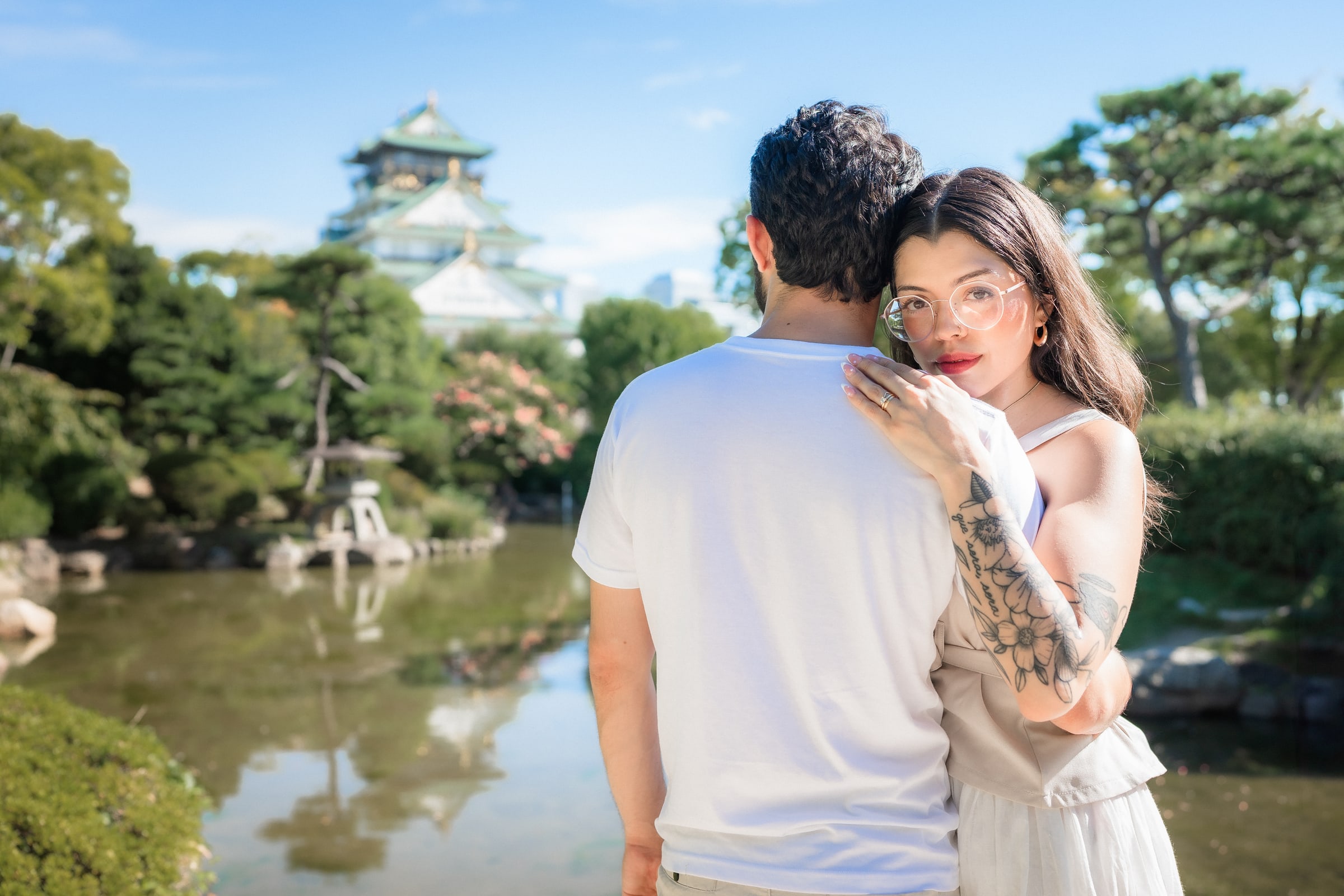
At Osaka Castle's Nishinomaru Garden, the draw is the open lawn with the castle tower and the stone moat walls behind it. The garden opens at 9:00 and is closed on Mondays. In cherry blossom season it stays open into the evening for illuminated night viewing, which brings its biggest crowds. A camera on the lawn blends in easily; the trade-off is that the busier the garden, the harder it is to keep strangers out of your frame. Nakanoshima Park is the gentler option: it is always open, its rose garden peaks in mid-May and mid-October, and the Osaka City Central Public Hall stands close by as a backdrop.
Two things are worth settling in the booking chat before the day. The first is what happens if your partner notices the camera early: agree whether the photographer keeps shooting from a distance or steps back until your signal. The second is the switch from hidden to open: agree the point at which the photographer comes over, so the rest of the session can be a relaxed couples shoot rather than more hiding. On the day, you can share live location as the time nears, so the photographer can follow your approach without you checking your phone in front of your partner.
What an Osaka Engagement Photographer Actually Costs
A private proposal shoot with a proposal photographer in Osaka starts at €129 for a 15-minute session that produces 10 photos, fully edited and delivered through a private online gallery within 48 hours; the 30-minute session (€199, 25 photos) and 60-minute session (€349, 60 photos) leave room for a second spot or an outfit change. That covers the photographer's time and every edit, not entrance fees or transport, and it's a fixed price agreed before you book, so there's no negotiating on the day. If you want more coverage than one signal and one reaction, outfit changes or a second spot can be arranged with the photographer beforehand, and extra photos can always be bought from the gallery afterwards.
Because the plan for a proposal in Osaka has to survive nerves, weather and a partner who might walk faster than expected, how the 15 minutes are counted around your signal is agreed in the booking chat before the day. The photographer is already in position, holding focus on the canal, the garden path or the bridge rail, well before you arrive with your partner. Settle the start of the window in the booking chat, so neither of you has to guess on the day.
Want pro photos in Osaka?
Book an Osaka photoshoot from €129 →FAQ: Proposal in Osaka
Where does the photographer wait before I propose?
Near enough to catch the moment, far enough to blend in. The photographer scouts the spot beforehand and waits there like any other visitor until your agreed signal. You can settle the exact spot in the booking chat and share live location as the time nears, so they can follow your approach without you having to look around for them.
What signal do I give when I'm about to propose?
One you agree with your photographer in advance, chosen so it means nothing to your partner. You settle it discreetly in the booking chat, along with the exact spot, so the photographer is already in position and ready before the moment comes. Pick something you'd naturally do at that spot anyway, rather than a gesture your partner might notice or question. No countdown, no obvious cue: the point is that only you and the photographer know what it means.
What if my partner suspects something right before I propose?
Stay calm and stick to the plan you agreed in advance. The photographer scouts the spot beforehand and waits looking like any other tourist, so the setup is designed not to stand out. What happens if your partner does get suspicious is worth settling in the booking chat before the day, for example whether you carry on as planned or give the signal a little later, so neither of you has to improvise. Every shoot is private, so there is no other group's schedule to work around.
Is the shoot private enough for family to be nearby for the reaction?
Yes. Every shoot is private: one photographer working only with your group, not a public tour session others can wander into. If family or friends are coming to see the reaction, mention them in the booking chat beforehand. Keep in mind that at a busy spot such as Dotonbori, the general public will still be around: the privacy covers your session, not the location itself.
Does the photographer help me pick the exact spot?
Yes. The route and starting point are agreed with the photographer directly in the booking chat. Tell them the mood you want, quiet and intimate or the classic neon of Dotonbori, and they'll suggest a spot and a rough time that fits it, then confirm the exact position closer to the day. The mood shapes the time as much as the place: Dotonbori's Glico sign, for instance, is only lit from 6 PM until midnight.
What if it rains right as I'm about to propose?
Light rain usually doesn't stop a shoot: it goes ahead unless you and the photographer both agree to move it, so a drizzle mid-proposal doesn't have to end the moment. If the forecast looks bad ahead of time, you can reschedule for free up to 24 hours before the shoot, so a shifting forecast doesn't force a rushed backup plan on the day itself.
Does a proposal shoot work at night?
Yes, at Dotonbori. The Glico sign is lit from 6 PM until midnight, and the Tombori River Walk below Ebisubashi Bridge is quieter than the bridge itself. Sunset slots add €35, and the total is shown before you pay.
Can we carry on to dinner or a second spot after the yes?
Yes, if the session is long enough. The 60-minute session leaves room to move from the proposal spot to a second location. Outfit changes or a second spot are agreed with the photographer beforehand in the booking chat."
Want pro photos in Osaka?
Compare Osaka photographers →More Osaka guides
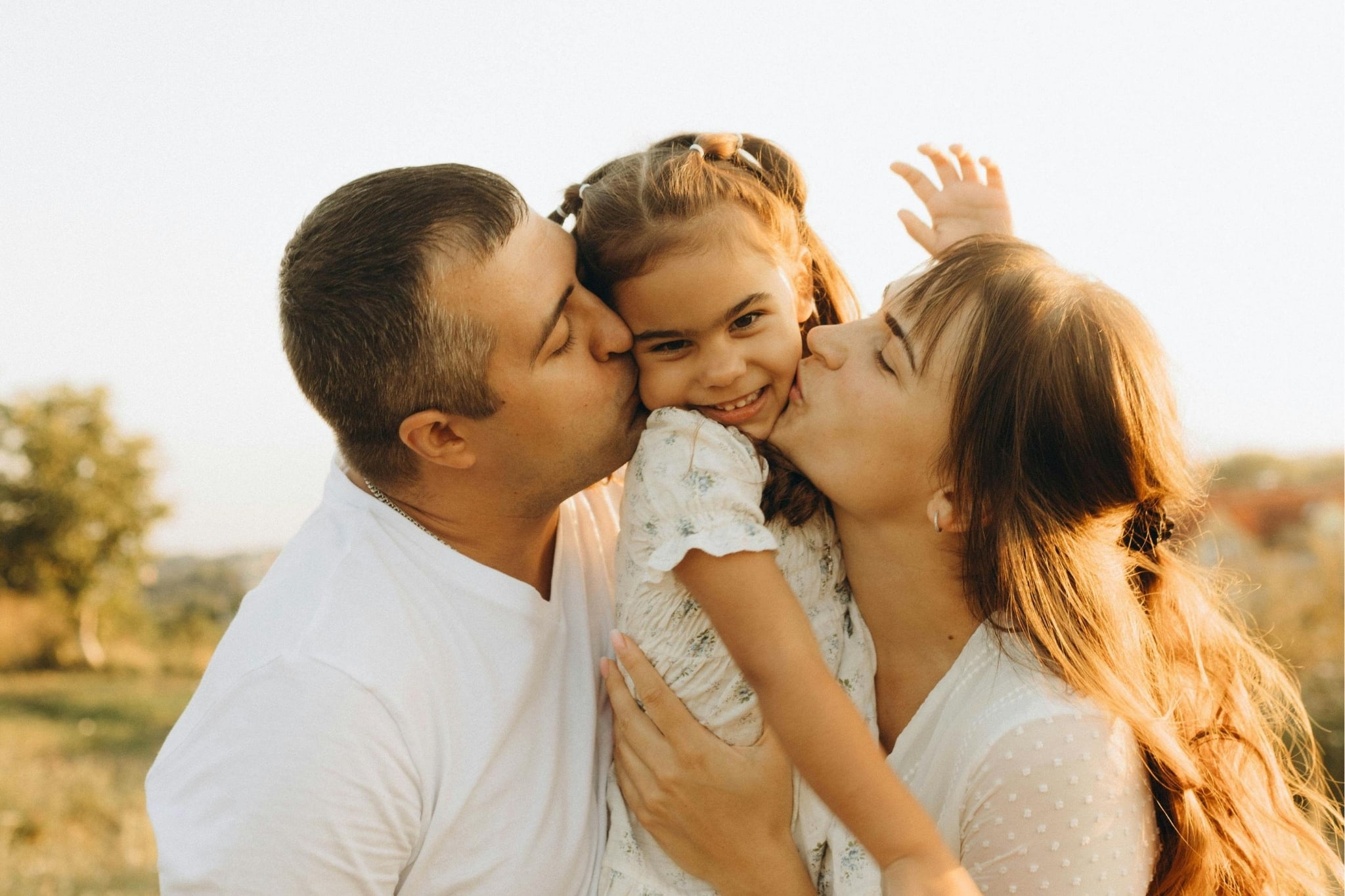
Families
Family Photoshoot in Osaka: Spots, Timing and What It Costs
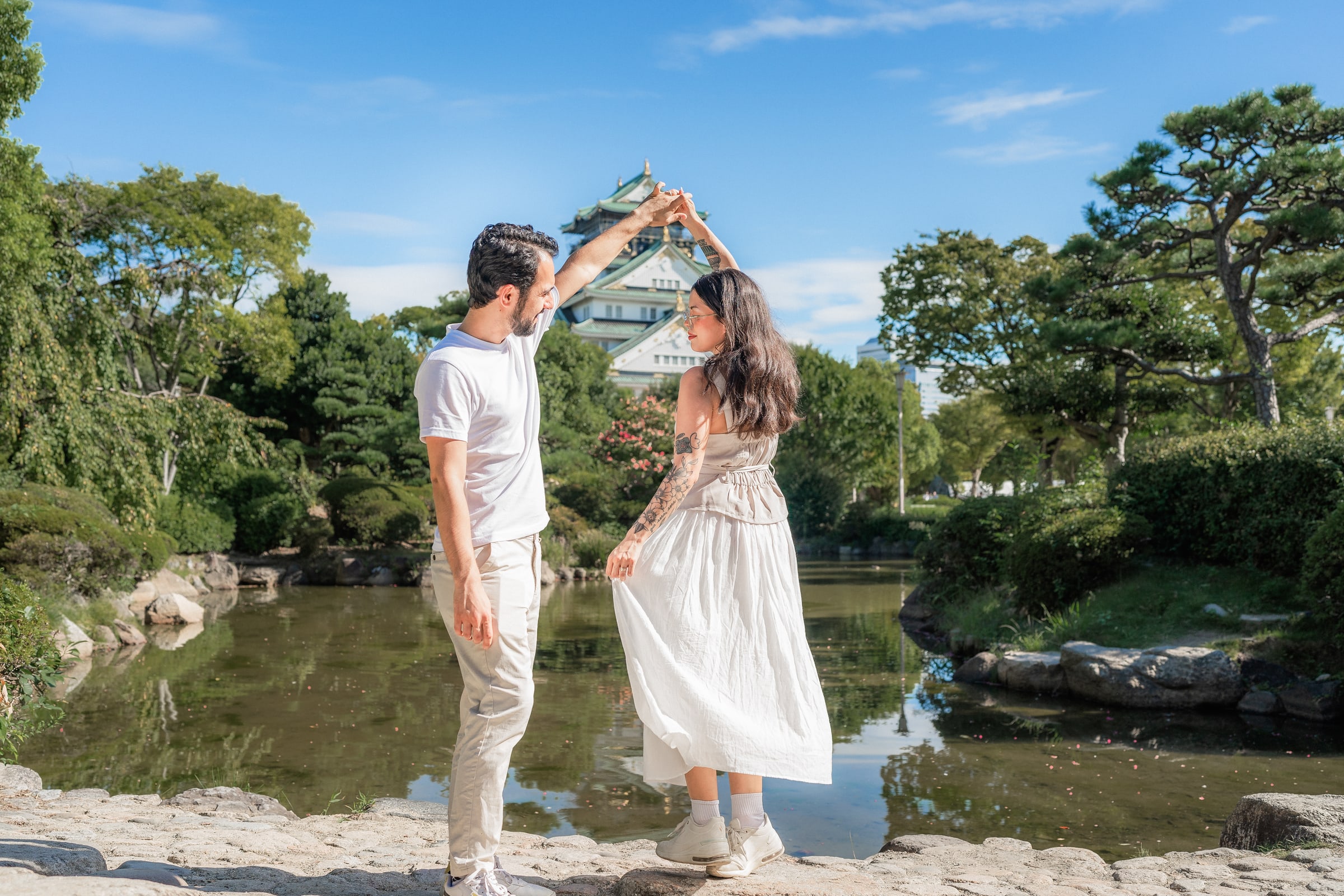
Elopements
Osaka Elopement Photographer: Small Weddings, Real Prices
Couples
Couples Photoshoot in Osaka: Romantic Spots, Posing and Prices
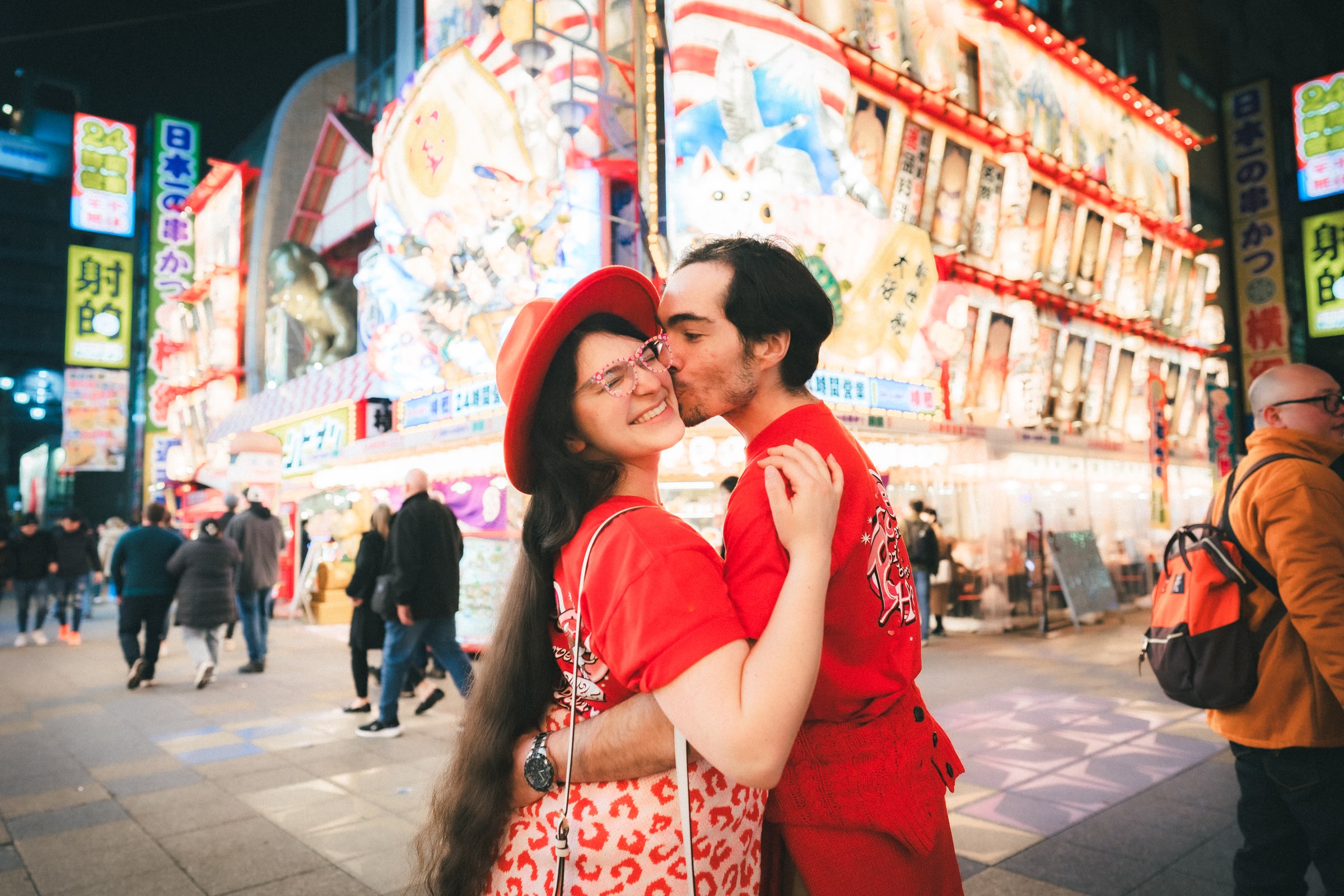
Planning
Your Complete Osaka Photoshoot Guide (2026)
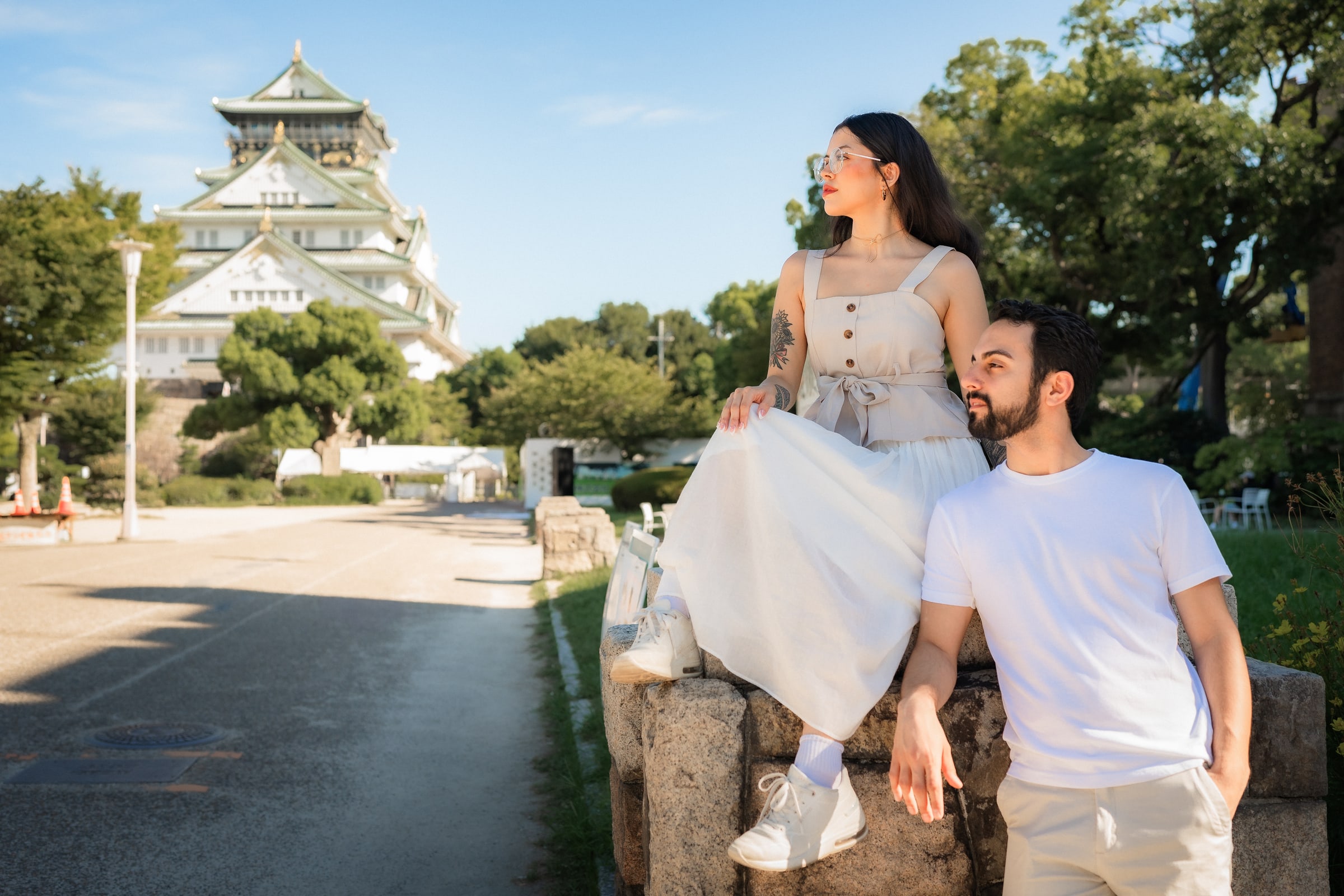
Prices
How Much Does an Osaka Photographer Cost? (2026)
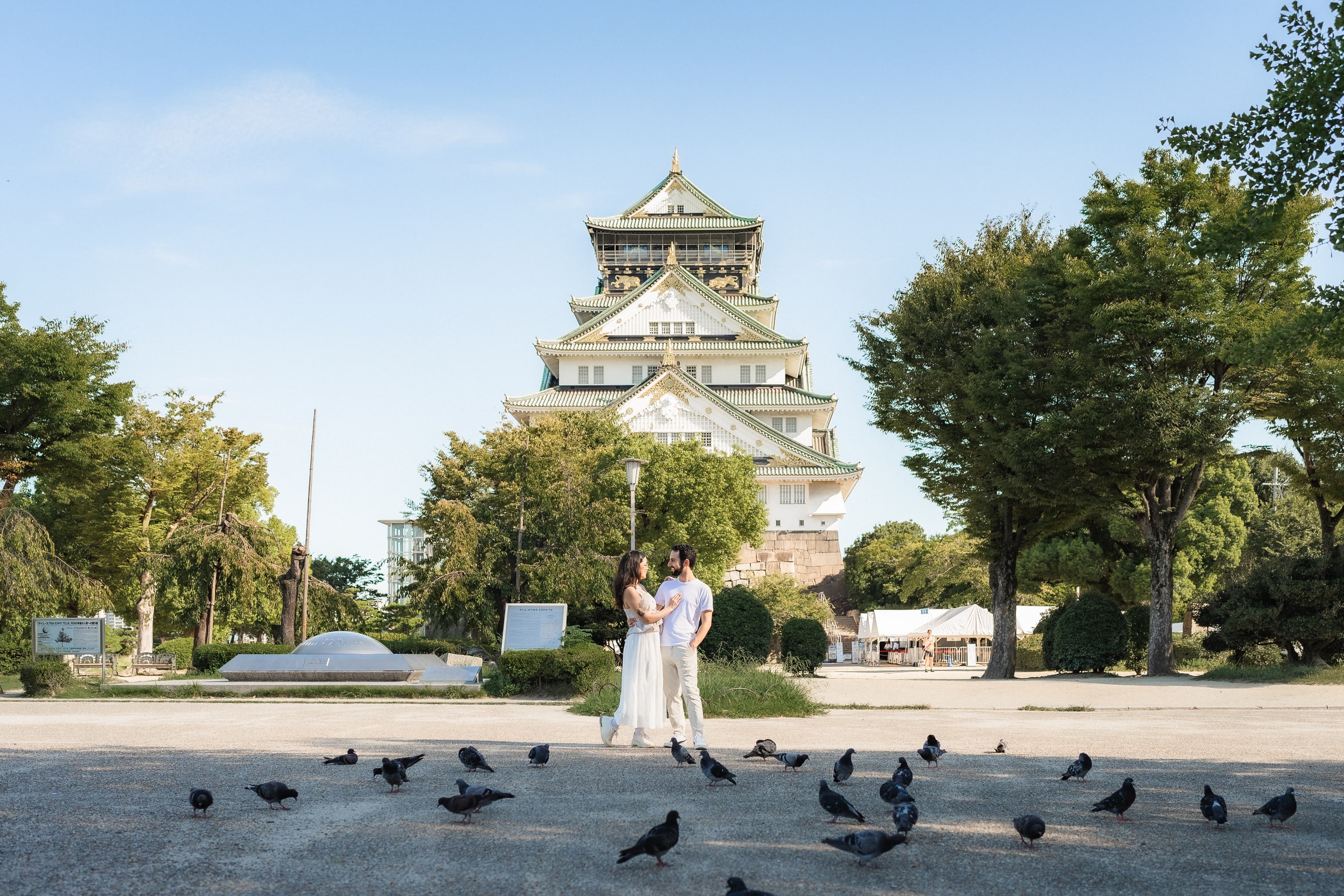
Photo spots
Best Photo Spots in Osaka, Ranked by Real Photoshoots (2026)
Photos in 48 h
From €129