
Planning a Proposal in Tokyo? A Local Photographer’s Guide
 Verified by Laurence Bouchard, Smiler photographer in Tokyo
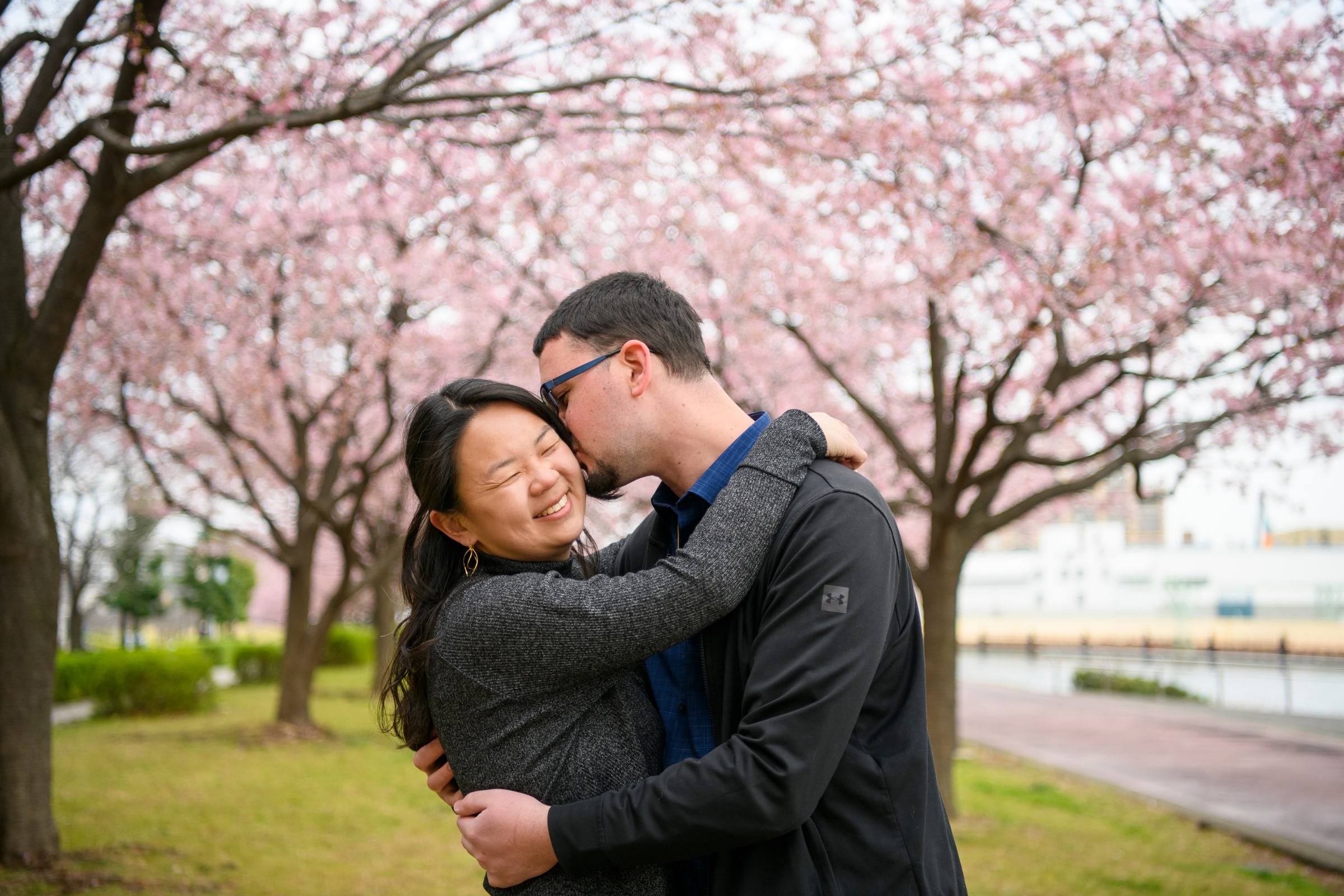
A proposal in Tokyo comes down to three decisions: the spot, the timing, and who's already in position before you get there. Your photographer doesn't arrive with you. The photographer scouts the spot in advance, waits there looking like any other tourist with a camera, and you arrive separately. A discreet signal, agreed beforehand, tells them the moment has come.
Position decides more than most people expect, and in Tokyo the spot shapes it. Shibuya Crossing is the busiest option, so a photographer working there stays handheld and mobile. At Meiji Shrine the main sanctuary and any ceremony in progress are off-limits for photography, so a proposal there belongs on the forest paths, and any posted sign takes priority.
Every shoot is private, one photographer and your group only, so there's no tour group to share the moment with. Shibuya Crossing is the most-booked Smiler spot in Tokyo, and a high vantage above it has worked well for proposals; Meiji Shrine's forest path suits a quieter one, best at first light. Sessions start from €109 for 15 minutes and 10 photos, the 60-minute session delivers 50, and edited photos arrive in your private gallery within 48 hours. Book as soon as your dates are fixed, then agree the meeting point and the plan in the booking chat and share live location before the day.
Want pro photos in Tokyo?
See Tokyo photographers and prices →Local photographer's tip
“In Tokyo I've got the perfect disguise, because everyone's carrying a camera. I'll be about ten metres away looking like one more tourist. Send me a photo of what you're both wearing, walk to the spot we agreed, and don't look for me. The second your knee bends, I've already got the shot, and her face a moment later.”
— Laurence Bouchard, Smiler photographer in TokyoPlanning the Moment
Planning a proposal in Tokyo comes down to sequencing: choose the spot, fix the hour, and agree on a signal with your photographer before the day. In Tokyo the spot sets the hour. The approach to Senso-ji is at its quietest before 8:00 AM, Shibuya Crossing is crowded whenever you go, and Meiji Shrine doesn't allow photography of the main sanctuary during prayer without giving the plan away. Golden-hour slots around sunrise and sunset add €35, shown before you pay.
- 1
Pick the Backdrop, Not Just the Spot
Choose somewhere that reads as a normal morning walk to your partner but frames well in photos: a shrine path, a riverside street, a quiet corner of a famous crossing. A photographer who knows the ground can scout an angle at a well-known spot that still feels private at the right hour, which matters more than the name of the place itself.
- 2
Time It to the Light, Not the Clock
In summer, sunrise falls somewhere between 04:24 and 05:10, and a shoot booked around then means empty paths and soft colour instead of a scrum of tour groups later in the day. Booking for evening golden hour instead is the more common request, but mornings at these spots stay quieter for longer.
- 3
Share the Plan With Your Photographer in Advance
Message the details in the booking chat before the day: where you'll walk from, what the proposal moment looks like, and where your partner will be standing when it happens. The photographer scouts the exact position and waits in place looking like any other tourist, so nothing needs to be improvised once you arrive.
- 4
Agree on a Discreet Signal
Decide on something small and natural, a hand on the shoulder, a specific word, stopping to "check the map", so the photographer knows the moment is starting without your partner noticing anything changed. This signal is agreed in advance with the photographer as part of the standard proposal setup.
- 5
Keep the Walk Loose Before the Ask
Build in five or ten minutes of ordinary walking and talking before the spot, not a straight march to the mark. A partner who feels rushed toward one specific bench gets suspicious; a partner who's mid-conversation about breakfast does not. Let the photographer trail at a natural distance during this part rather than closing in early.
- 6
Book the Right Length for the Moment
A 15-minute session covers the proposal itself plus a short reaction set, delivering 10 photos. Outfit changes or an extended portrait run afterward can be arranged with the photographer if agreed beforehand, so decide on the shape of the whole morning before you book rather than after.
- 7
Let the Aftermath Breathe
Once the ring is on, keep shooting for a few extra minutes: calls to family, the walk away from the spot, the first coffee after. Outfit changes or a second stop can be arranged with the photographer if agreed before the session starts, so raise it early rather than mid-shoot.
Best Proposal Spots in Tokyo
A proposal in Tokyo works best where the photographer can wait in plain sight before it happens and step in right after. That is what the spots below have in common: each is a well-visited place, so a tourist with a camera draws no attention, which is exactly how your photographer looks until the signal. What differs is the hour. The approach to Senso-ji is quietest before 8:00 AM, while the Yuyake Dandan stairs fill up towards sunset, and arriving before about 4:30 PM is what secures a place on the steps. Every session is private, just the two of you and your photographer, with no tour group to share the moment with.
1 Shibuya Crossing
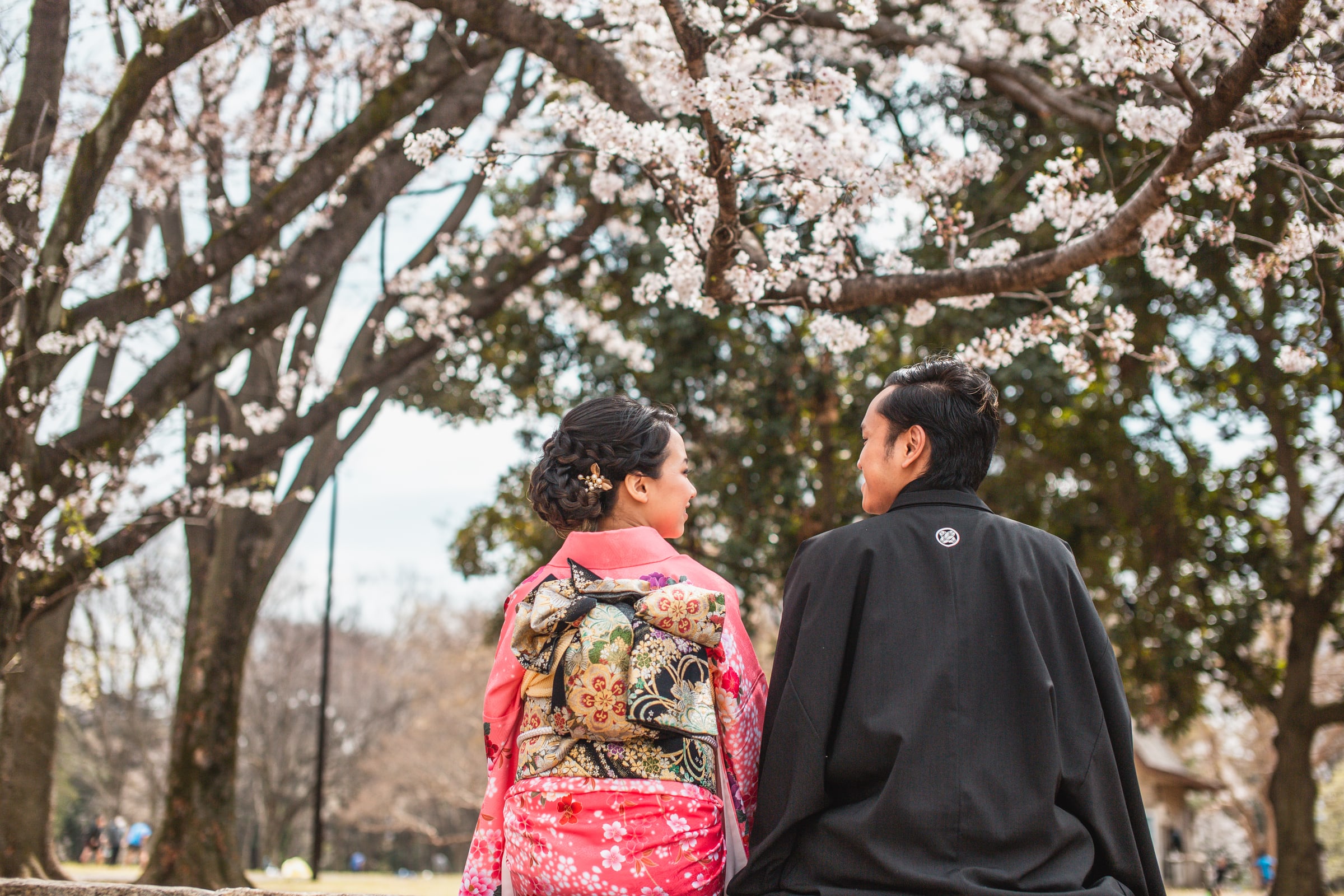
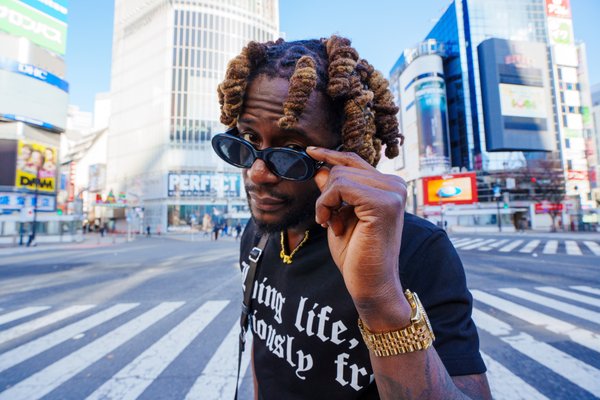
A proposal in the middle of the world's busiest crossing sounds bold, but the real move is shooting from a high vantage above it: the crowd becomes the backdrop instead of the obstacle, and your photographer can wait unseen nearby until the signal.
14 photoshoots in the last 12 monthsfrom €109crowds: high
Best time: Early morning before the pedestrian flow builds, or dusk when the signs light up
2 Meiji Shrine and Yoyogi Park
The forest path into the shrine gives a private, tree-lined moment before the crowds arrive, with the approach itself doing the work a busier spot can't.
from €109crowds: medium
Best time: Right at sunrise, when the gravel paths are still empty
3 Tokyo Bay (Odaiba Beach)
Wide-open sightlines here give a proposal room to feel private even with people nearby: there's space to step a few paces from the path and still have a clean, unobstructed frame.
from €109crowds: low
Best time: Sunset, when the light is lowest and softest
Tip: Scope the area in advance for a spot away from foot traffic so the photographer has a clean angle without strangers walking through it.
Golden-hour slots add €35; the full price is always shown before you pay.


How a Surprise Shoot Works
The mechanics are simple: your photographer scouts the spot in advance, gets into position looking like any other tourist, and waits for a discreet signal you agree on beforehand, a hand in your pocket, a specific phrase, a phone call. You never have to spot them or acknowledge them before the moment happens. If you book the 15-minute session, know that the clock starts on your signal, not when you arrive at the meeting point. The photographer is already in position, watching the scene, while you're still walking over from the train.
Choosing the Signal
Pick a signal you would never make by accident and can't forget under pressure. A spoken phrase is no use somewhere as loud as Shibuya Crossing, so a gesture is safer there: both hands out of your pockets, a turn to face your partner, a bag set down on the ground. Agree a back-up signal as well, in case someone walks between you and the photographer at the wrong second.
Where the Photographer Waits
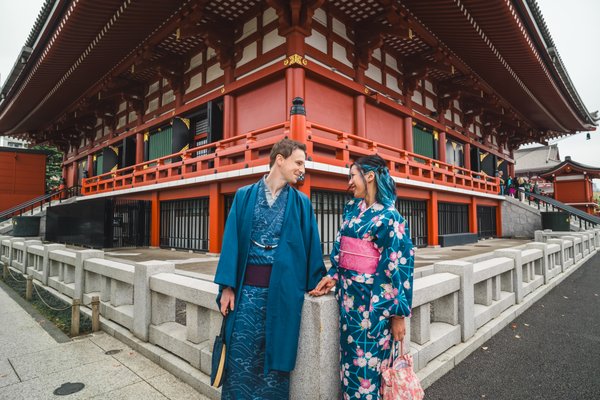
That depends on the rules of the spot, which is why the scouting comes first. At Shibuya Crossing a photographer works handheld and keeps moving with the crowd. At Meiji Shrine the main sanctuary and any ceremony in progress are off-limits for photography, so a proposal belongs on the forest paths, and any posted sign takes priority. At Senso-ji the approach is quietest before 8:00 AM, so that is the hour a proposal there is planned for. Exact positions and distances are different at every spot, so ask in the booking chat where your photographer will be standing and which way you should face.
Finding a Tokyo Engagement Photographer You Can Trust With This
Every Smiler photographer is vetted before being listed, and you can pick one from their profile or let a package match you with someone local who knows the spot. Check the profile for proposal work, or ask in the booking chat. What matters most for a proposal isn't a portfolio, it's someone who can hold still, read a crowd, and wait without being noticed.
Before the shoot, share the plan in the booking chat: where you'll be standing, which direction you'll be facing, what you will both be wearing, and the exact signal. The more specific you are, the less the photographer has to guess. Live location sharing before the shoot means you can both confirm you're in the right spot without a single awkward text exchange once you've arrived.
If Your Partner Suspects Something
Say nothing and keep walking. Every spot on this list is full of people with cameras, so one more is no giveaway unless you look straight at them. Don't scan the crowd for your photographer and don't check your phone once you're at the spot. If your partner wants to wander off in another direction, go along with it: the starting point can be adjusted in the booking chat if plans shift beforehand, and the back-up signal covers the rest.
After the Answer
Once the answer is given, your photographer steps forward and the rest of the session is an open shoot, directed with simple prompts and movement, not stiff poses. Light rain usually doesn't stop a shoot, and rescheduling is free up to 24 hours beforehand, which matters for the one shoot you don't want to force through a bad forecast. The edited photos arrive in your private gallery within 48 hours.
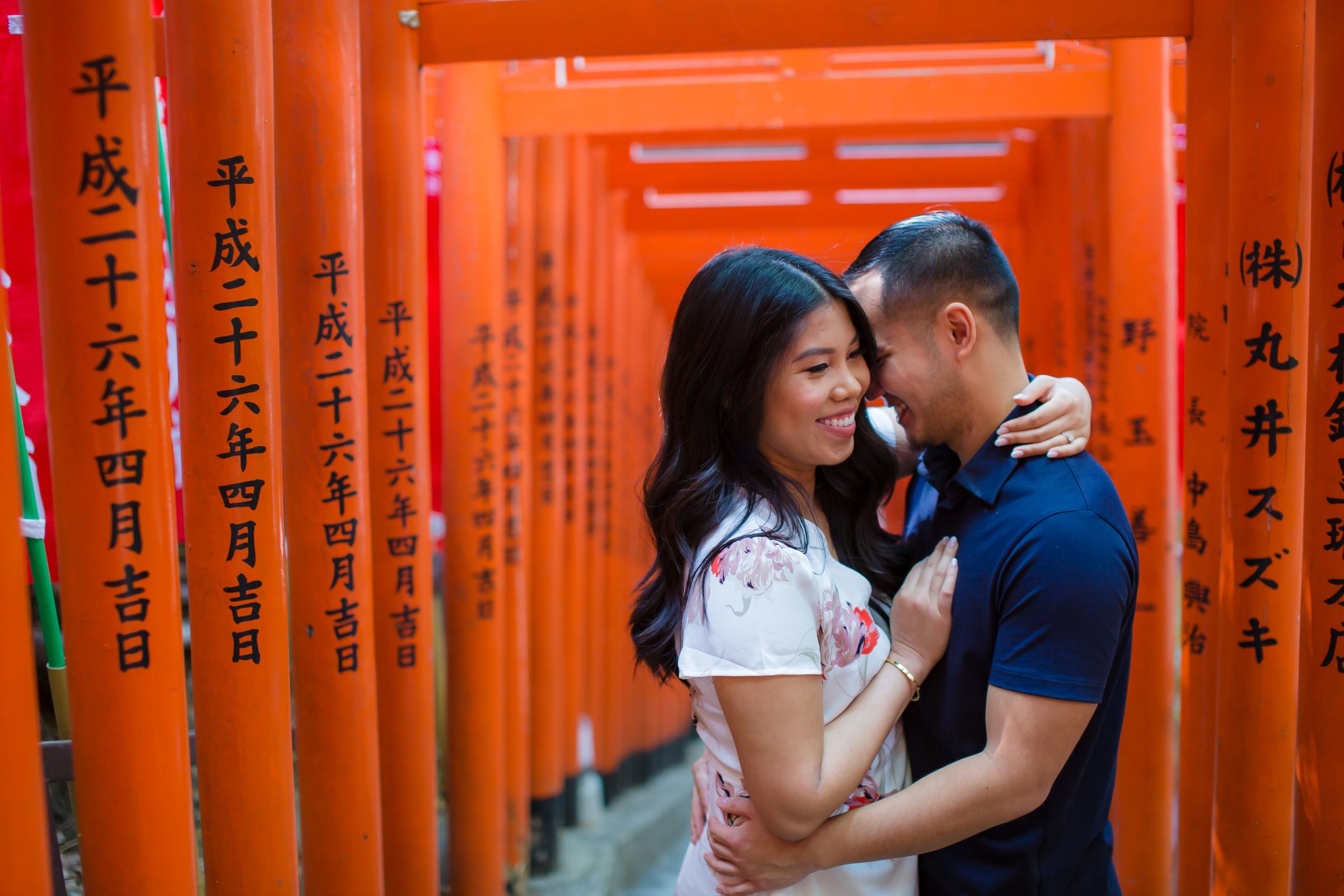
Want pro photos in Tokyo?
Book a Tokyo photoshoot from €109 →What Couples Say
The reviews below come from Smiler customers who booked a photographer in Tokyo, and they are worth reading with your own plan in mind. A surprise proposal has more moving parts than any other shoot: the photographer scouts the spot in advance, waits in position like any other tourist, and starts on a signal agreed with you beforehand. Look for the details that match your plan, such as the spot, the time of day and the session length, and bring any questions they raise to the booking chat before the day.
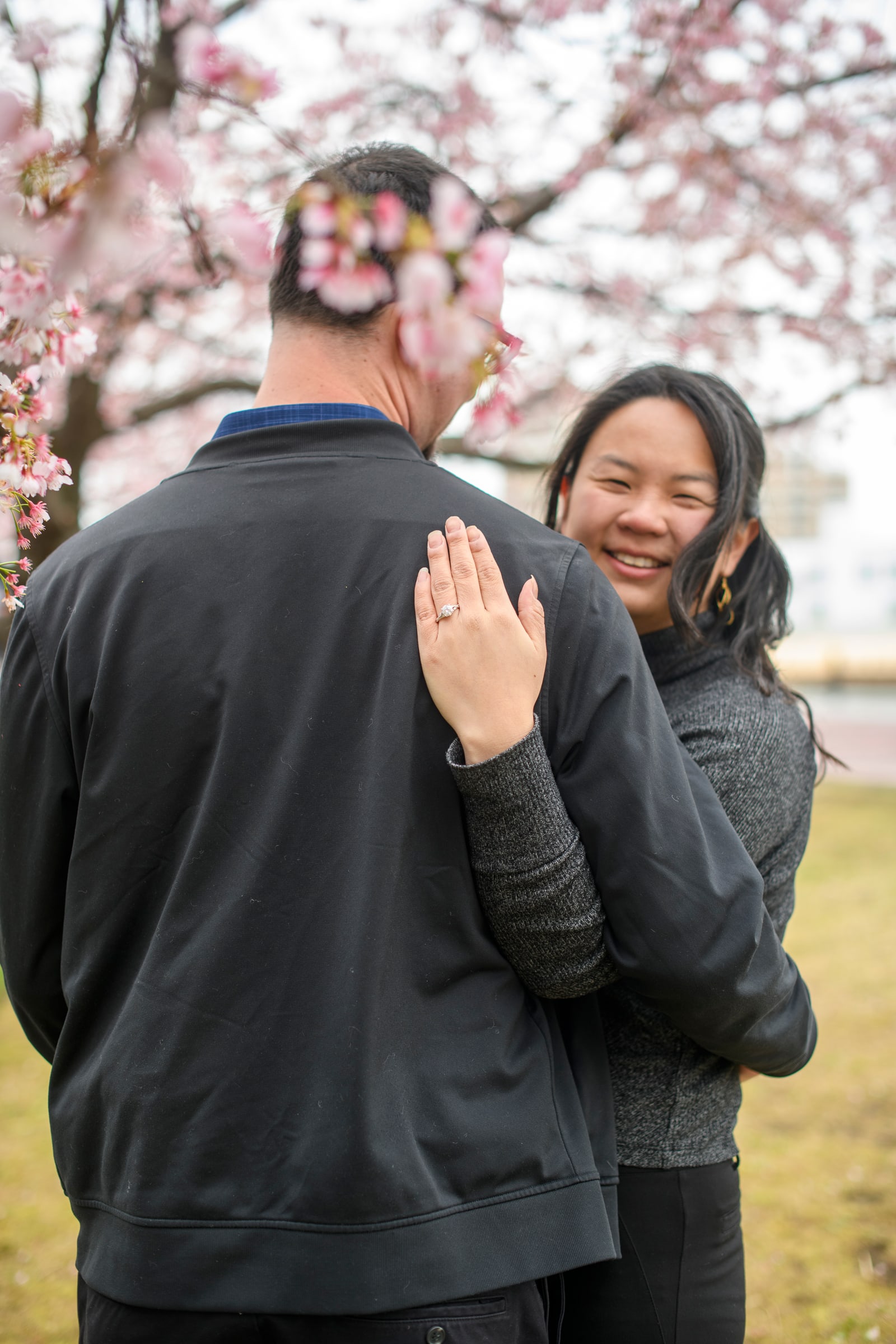
"Despite the last-minute booking, Laurie went above and beyond to help me plan a surprise engagement proposal for my long-time girlfriend. He was extremely professional, flexible, and punctual throughout the process. Laurie suggested a stunning high-view location with a perfect view of the iconic Shibuya Scramble, a spot that was not crowded and exactly what I had envisioned for the proposal. The experience was absolutely wonderful, and he captured our once-in-a-lifetime moment beautifully, creating memories we will treasure forever. The photo edits were also fantastic! We’ll definitely book him again when we’re in Tokyo and highly recommend his services to everyone. 🙏"
"Laurence was great to coordinate with us for a very special moment when our daughter’s boyfriend proposed to her. Thank you! Love the pictures!"
FAQ: Proposal in Tokyo
How do I keep the shoot a secret from my partner?
Book the session as a normal photoshoot and tell the photographer it's a proposal in the booking chat beforehand. The photographer scouts the spot in advance and waits in position looking like any other tourist, so nothing about the setup tips your partner off. You share your plan and live location details privately with the photographer, never in front of your partner.
What signal do I give when I am about to propose?
You and the photographer agree on a discreet signal in advance, worked out together in the booking chat before the day. Because the photographer is already in position and looks like any other tourist, there's no last-second scrambling or awkward eye contact needed. The signal is yours to choose, whatever feels natural for the two of you in that moment.
What if my partner suspects something or the plan changes last minute?
Tell your photographer in the booking chat. You can message them directly before the shoot, and the starting point can be adjusted there if plans shift. If the timing or the spot needs to change entirely, rescheduling is free up to 24 hours before the shoot.
What if it rains at the proposal?
Light rain usually does not stop a shoot unless both you and the photographer agree it's worth moving. If the forecast looks bad, rescheduling is free up to 24 hours ahead, so a soggy morning doesn't force you into photos you don't want.
Does the photographer help me pick the exact spot?
Yes. The route and starting point are agreed with the photographer directly in the booking chat, so you can describe what you picture, a quiet shrine path or the crossing at Shibuya, and let their local knowledge narrow it down. The photographer then scouts the chosen spot in advance, before you arrive.
Can family or friends watch and join the photos afterwards?
Arrange it with your photographer in the booking chat before the day. Tell them who will be there, where those people will wait and when they should appear, so the surprise holds until the right moment.
How soon after the proposal do we see the photos?
Photos are delivered within 48 hours to a private online gallery, ready to download in full resolution. There is nothing to pay or collect on the day, since the full price is paid at booking. The photos are yours for personal use, so you can share or print them however you like.
How far in advance should I plan a proposal shoot in Tokyo?
Book as soon as your dates are fixed. Booking takes about 5 minutes online, but the spot, the signal and the plan are all agreed in the booking chat before the day, and picking a specific photographer only works if their calendar fits your date. The season matters too: during cherry blossom season the Meguro River is at its most crowded, so settle on a spot early.
Want pro photos in Tokyo?
Compare Tokyo photographers →More Tokyo guides
Elopements
Tokyo Elopement Photographer: Small Weddings, Real Prices
Couples
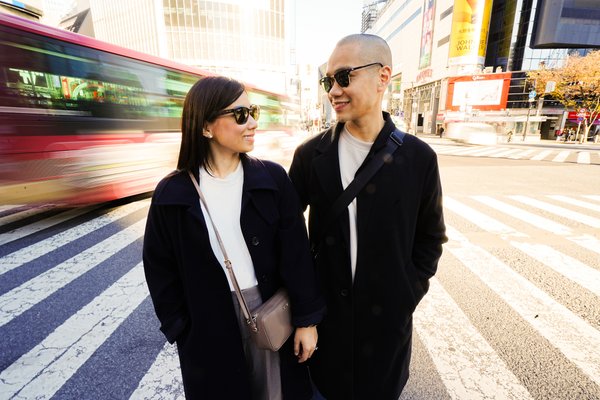
Couples Photoshoot in Tokyo: Romantic Spots, Posing and Prices
Families
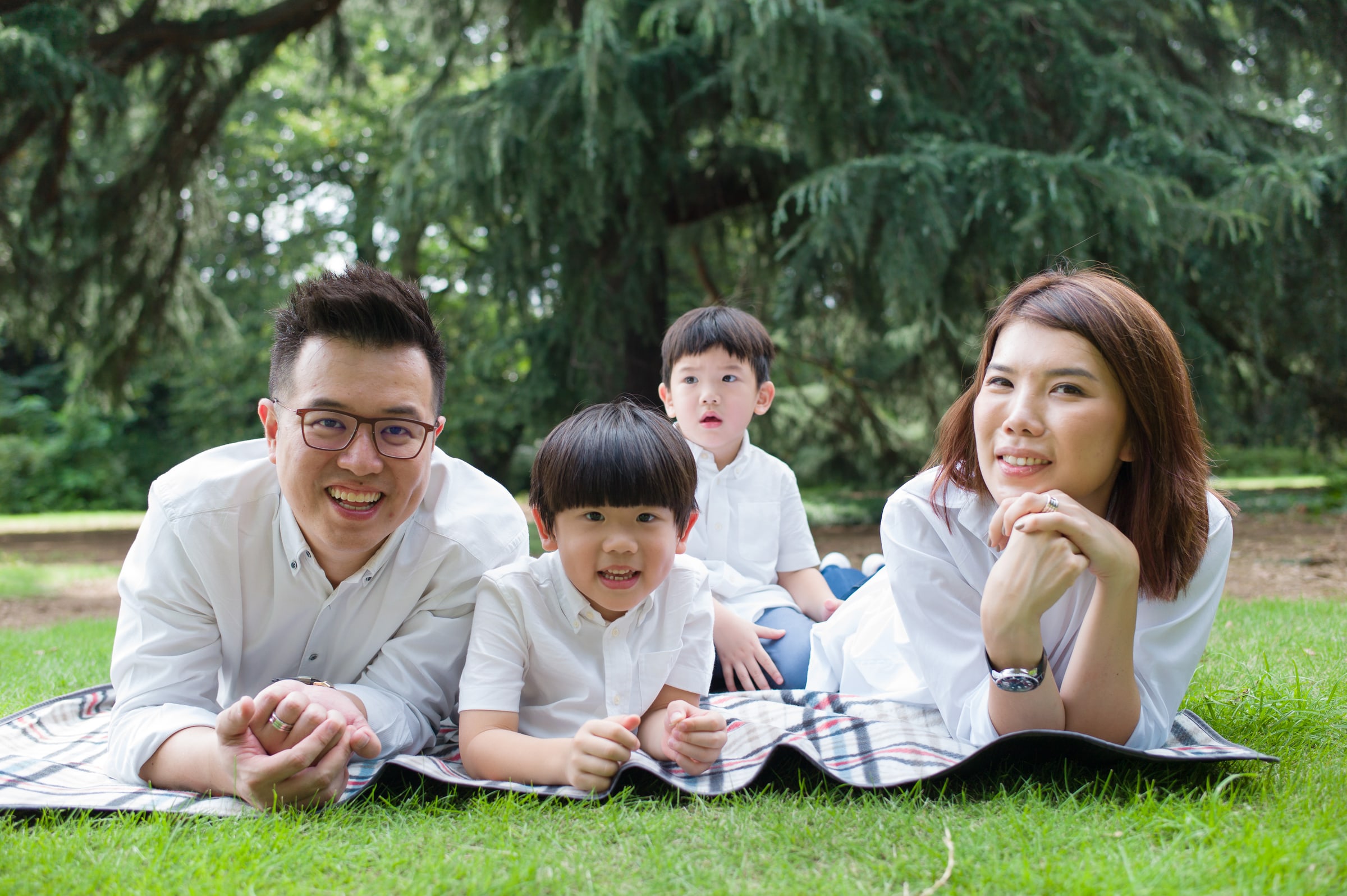
Family Photoshoot in Tokyo: Spots, Timing and What It Costs
Planning
Your Complete Tokyo Photoshoot Guide (2026)
Prices
How Much Does a Tokyo Photographer Cost? (2026)
Photo spots
Best Photo Spots in Tokyo, Ranked by Real Photoshoots (2026)
★ 4.7 · Photos in 48 h
From €109