
Best Photo Spots in Tokyo, Ranked by Real Photoshoots (2026)
 Verified by Marvin Tenepre, Smiler photographer in Tokyo
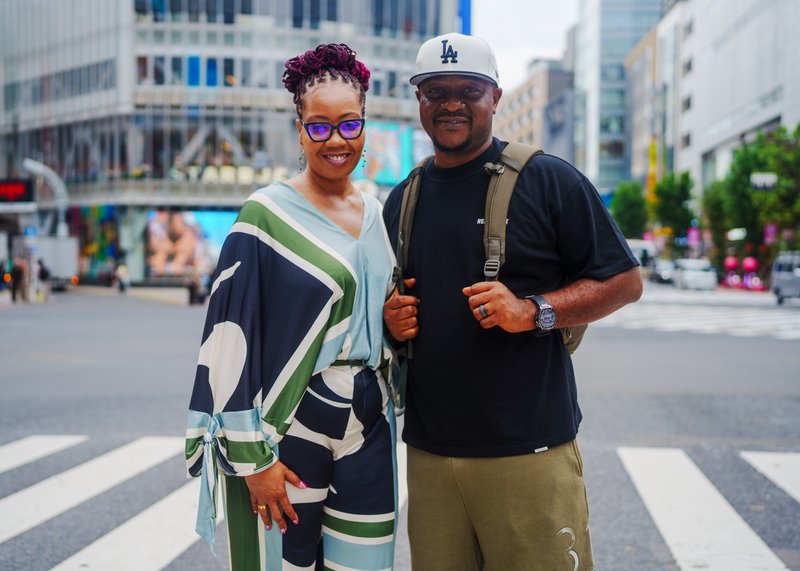
The best Tokyo photo spots start at Shibuya Crossing, where the scale of the intersection itself becomes the backdrop: pedestrians crossing in every direction at once, with a couple or a family held still in the middle of the movement. It is crowded at almost any hour, so the shoot is built around the flow of people, not around waiting for a gap. Handheld shots work better here anyway, since the photographer stays mobile in the moving crowd. From there, the city gives you range: the forested grounds of Meiji Shrine and Yoyogi Park, where the shrine's main grounds are free to enter and open from sunrise to sunset, and Tokyo Bay, for a shoot by the water. The best light is early in the morning, before the crowds build, and again around sunset.
What you need at any of these spots is a photographer who already knows how to work around the crowds and the restrictions rather than fight them. That local knowledge is the actual product: a fixed-price session that includes the photographer's time, full editing of every delivered photo, and a private gallery to download from. Sessions run 15, 30 or 60 minutes, with the shortest starting at €109 and including 10 edited photos, delivered within 48 hours. Nothing is required from you on the day beyond showing up in whatever you want to wear. The sections ahead go beyond a list of the most instagrammable places in Tokyo: they break down the specific spots worth building a shoot around, what the light does at each one through the seasons, and how to time a visit around the crowds that build fast once the sun is fully up.
Want pro photos in Tokyo?
See Tokyo photographers and prices →Local photographer's tip
“People tell me Tokyo's too busy for a relaxed photo, and then I meet them at Kaminarimon at seven in the morning. The Nakamise shutters are still down, the big lantern's all theirs, and Senso-ji feels like a quiet neighbourhood temple. Watching people's shoulders drop in that first ten minutes is the best part of my job.”
— Marvin Tenepre, Smiler photographer in TokyoThe Spots
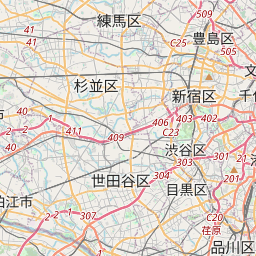
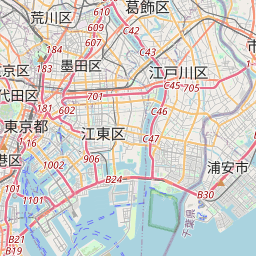
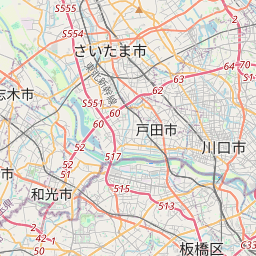
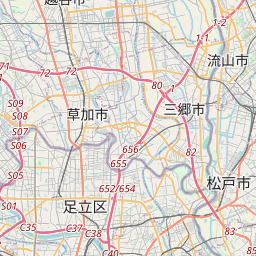
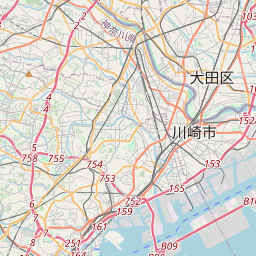
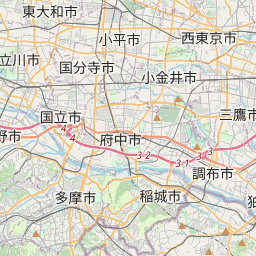
If you are working out where to take photos in Tokyo, start with the map. These six Tokyo photo spots do not form a single day's route: they fall into two groups with most of the city between them. Meiji Shrine and the Meguro River sit on the west side, each about 2 km from Shibuya Crossing in a straight line. Senso-ji and the Yuyake Dandan stairs are in the north-east, about 3 km apart, and roughly 10 km from Shibuya. Tokyo Bay stands apart from both. Treat the list as a shortlist of the best photo spots in Tokyo: choose one, or pair two from the same group. Senso-ji, the Meguro River and the Yuyake Dandan stairs have no booking page of their own; ask for these photo locations in the booking chat and your photographer will build the session around them. With only 15 to 30 minutes, pick Shibuya Crossing. The shot is the crossing itself, so the whole session goes on shooting, not on walking to find an angle.
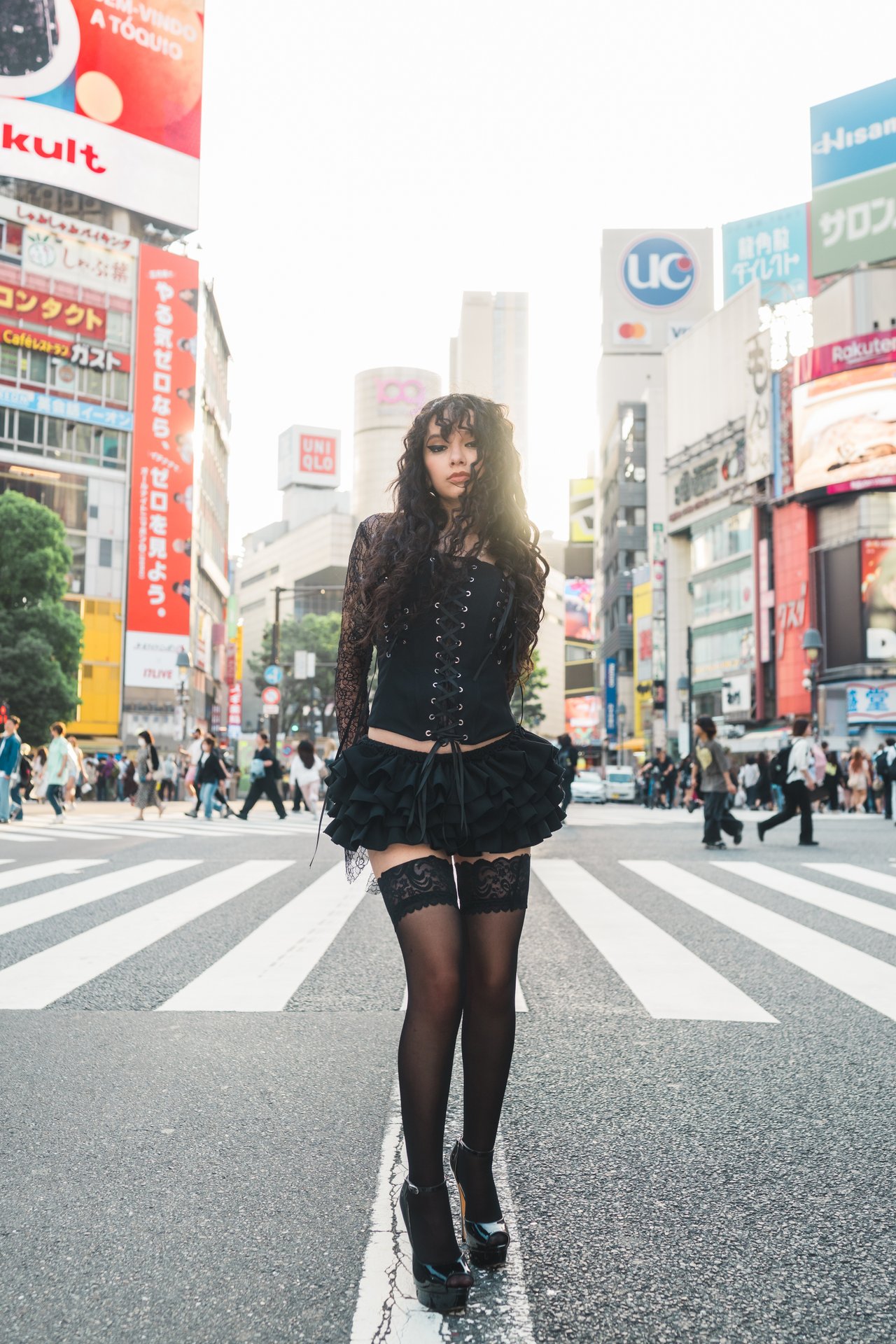
Photoshoot by Marvin Tenepre, Smiler photographer in Tokyo
1 Shibuya Crossing
The world's busiest pedestrian scramble sits beside Hachiko Square, framed by giant video screens and a wall of neon. It photographs well from street level (handheld, since tripods aren't permitted on the crossing) or from an elevated cafe window above.
14 photoshoots in the last 12 monthsfrom €109crowds: high
Best time: Early evening once the screens light up but before peak rush
Tip: Tripods and monopods get confiscated on the crossing itself; shoot handheld and save the tripod for a rooftop vantage.
2 Meiji Shrine and Yoyogi Park
A gravel forest approach leads to a shrine dressed in cypress and copper, opening onto the wide lawns of Yoyogi Park next door. The contrast of forest calm and park life gives two very different backdrops in one stop.
from €109crowds: medium
Best time: Weekday mornings, away from Hatsumode or the June iris bloom
Tip: Tripods aren't allowed near the Inner Garden pond, and photography of the main sanctuary or any ceremony in progress is off-limits.
3 Tokyo Bay (Odaiba Beach)
Odaiba's waterfront gives open horizon shots with the bay bridge and city skyline behind you, a contrast to the dense streets elsewhere on this list. The beach itself allows a slower pace than the crossings and temples.
from €109crowds: low
Best time: Late afternoon into sunset, when the skyline catches the light
Tip: The waterfront promenade has room to move, so it suits longer sessions with outfit changes.
4 Senso-ji Temple & Nakamise-dori, Asakusa
Tokyo's oldest temple fronts a narrow shopping street strung with lanterns, leading up to the Hozomon gate. The approach is free to enter and photographs best before the crowds arrive.
crowds: high
Best time: Before 8:00 AM on a weekday
Tip: By mid-morning the best angles are already claimed; arrive early for a clear shot of the gate.
Book any package and agree this spot with your photographer in the booking chat.
5 Meguro River (Nakameguro), near Nakameguro Station
A quiet canal lined with cherry trees runs past cafes and boutiques near the station. Outside bloom season it's a calm backdrop of water and low bridges.
crowds: medium
Best time: Weekday mornings, or evenings during the spring illumination
Tip: During bloom season the promenade lighting runs into the evening and draws heavy weekend crowds; a weekday morning visit is far quieter.
Book any package and agree this spot with your photographer in the booking chat.
6 Yuyake Dandan Stairs & Yanaka Ginza Shopping Street
A short flight of west-facing steps looks down over an old-fashioned shopping street, built for the low sun. It's one of the few spots on this list made specifically for golden hour.
crowds: medium
Best time: Before 4:30 PM on a clear day, ahead of the sunset crowd
Tip: The steps fill up fast once the light turns gold; claim your spot early and note some shops close on Mondays.
Book any package and agree this spot with your photographer in the booking chat.
Golden-hour slots add €35; the full price is always shown before you pay.


When to Shoot in Tokyo
In Tokyo the crowds follow the calendar more than the clock, and the chart below shows where each season puts them. Spring is the clearest case: foot traffic along the Meguro River climbs the moment the cherry trees open, and the illuminated stretch draws dense weekend crowds once the lights come on in the evening. The Yanaka Ginza shopping street and the Yuyake Dandan stairs above it fill up fast on clear evenings; arriving before roughly 4:30 PM is what secures a spot on the steps. Winter has one fixed date to plan around, the New Year visits (hatsumode) at Meiji Shrine.
A 15-minute session at €109 comes with 10 edited photos, enough for a single spot and a single look, and photos land in a private gallery within 48 hours. Golden-hour slots around sunrise and sunset add €35, shown before you pay. So the planning decision is a simple one: check whether your dates fall on one of these events, and if they do, book the opposite end of the day from the crowd.
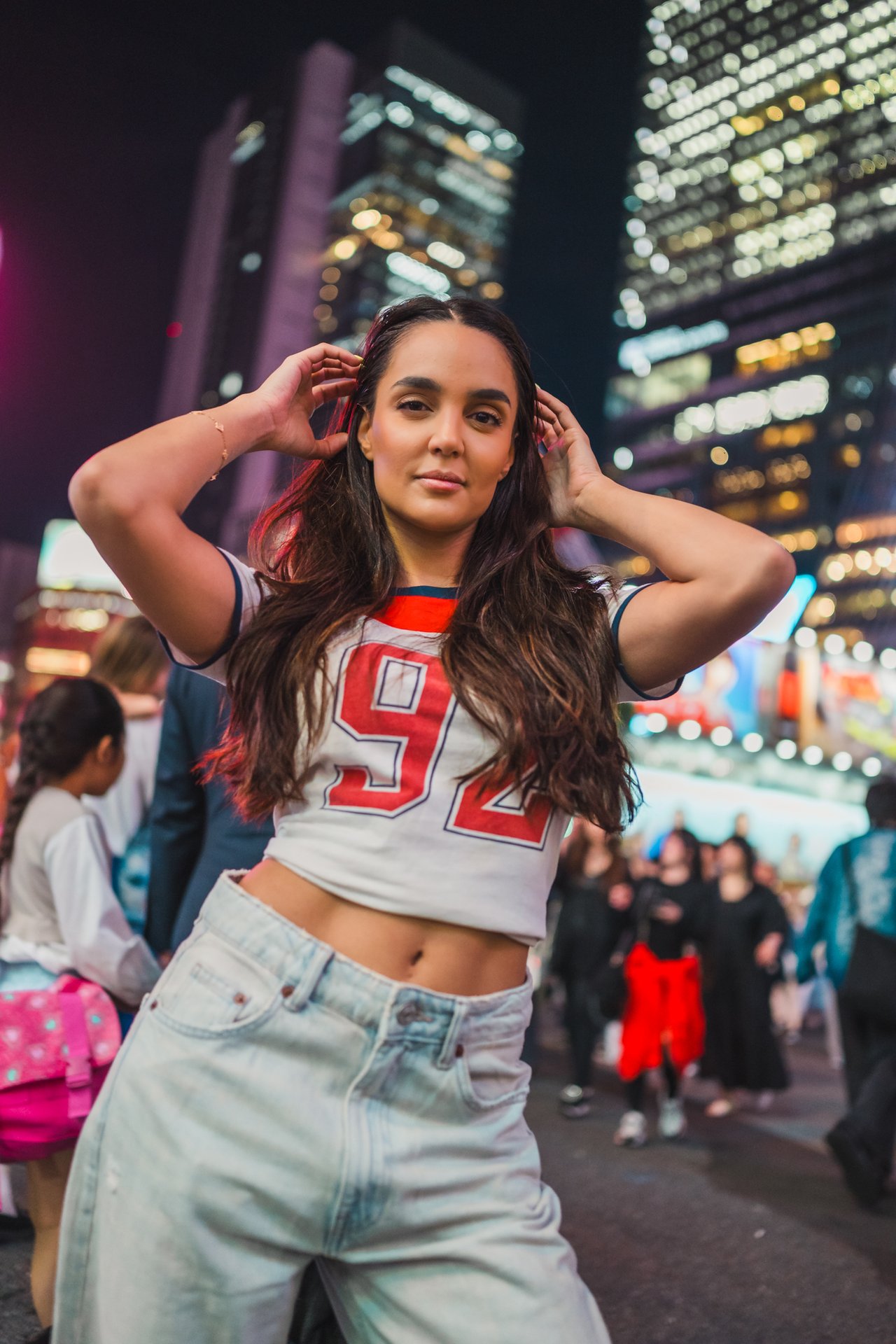
Photoshoot by Marvin Tenepre, Smiler photographer in Tokyo
| Season | Sunrise | Sunset | What it means for your shoot |
|---|---|---|---|
| Winter | 06:13–06:51 | 16:27–17:34 | Crowds thin out across the city outside the New Year holidays, leaving open ground at most outdoor spots. |
| Spring | 04:27–06:11 | 17:35–18:50 | Cherry blossom season packs Meguro River and Yoyogi Park, with the riverside illumination pulling especially dense weekend crowds after dark. |
| Summer | 04:24–05:12 | 18:11–19:01 | Fewer seasonal events mean Tokyo Bay and Meiji Shrine stay workable most of the day; Shibuya Crossing stays busy in every month. |
| Autumn | 05:13–06:31 | 16:28–18:09 | Foliage peaks in Yoyogi Park, while the Yuyake Dandan stairs fill fast on clear evenings and Yanaka Ginza gets noticeably busier on weekends than weekdays. |
FAQ: Tokyo Photo Spots
Which spot should I pick if I only have 30 minutes in Tokyo?
Shibuya Crossing. It delivers the one shot that says Tokyo instantly and needs no entrance fee. A photographer works handheld here, staying mobile in the crowd. The crossing is the backdrop, so the whole session goes on shooting and none of it on walking to find an angle.
Can two or three spots be combined in one photoshoot?
Yes, the route and starting point are agreed directly with your photographer in the booking chat before the shoot. Spots on the same side of the city pair more realistically than spots across it: Shibuya Crossing and Meiji Shrine are about 2 km apart in a straight line, while Senso-ji is roughly 10 km from either. Ask in the chat whether the pairing you have in mind fits the session length you have booked.
How do photographers deal with crowds at Tokyo's famous spots?
By working around them, not against them: shooting handheld at Shibuya Crossing, where the crowd never stops moving, or timing the Senso-ji approach for before 8:00 AM, when the light is soft and the best angles are still open. Every shoot is private, one photographer and your group only, so there is no tour group to keep pace with.
Can I choose my own spot or route for the shoot?
Yes. The starting point and route are worked out with your photographer in the booking chat ahead of time, so you can request a specific spot from the ranked list, one of the Instagram spots in Tokyo you have saved on your phone, or something more personal. If crowds are a concern, tell the photographer the time you want to shoot and ask what that spot is like at that hour.
Are sunrise shoots worth getting up for in Tokyo?
For Senso-ji, yes: arriving before 8:00 AM on a weekday means soft light and an empty approach, while the best angles are typically claimed by 9:00 AM and the area turns into a crowd-management exercise by 10:00 AM. Sunrise slots can carry the €35 golden-hour supplement, shown before you pay. Yoyogi Park is open around the clock with free admission, so an early start is possible there too.
Do the photographers know these spots personally?
Yes, Smiler photographers are local to the city, and they know each location's rules, such as the signs restricting photography at parts of Meiji Shrine, and how to work around the crowds at Shibuya Crossing.
Which spot is best if the weather turns grey?
That is a call to make with your photographer in the booking chat once the forecast is clear, because it depends on the spot and the hour you have booked. Light rain usually doesn't stop a shoot, and rescheduling is free up to 24 hours beforehand if the forecast looks worse than drizzle, so a grey morning doesn't have to cost you the booking.
What time of day has the best light for photos in Tokyo?
It depends on the spot. The Yuyake Dandan stairs face west and are named for the sunset, so arriving before about 4:30 PM secures a vantage point before the steps fill up. Senso-ji favours the opposite end of the day, with soft early light before 8:00 AM. Meiji Shrine opens at sunrise and closes at sunset, so the earliest and latest light there is set by the gates.
Want pro photos in Tokyo?
Book a Tokyo photoshoot from €109 →More Tokyo guides
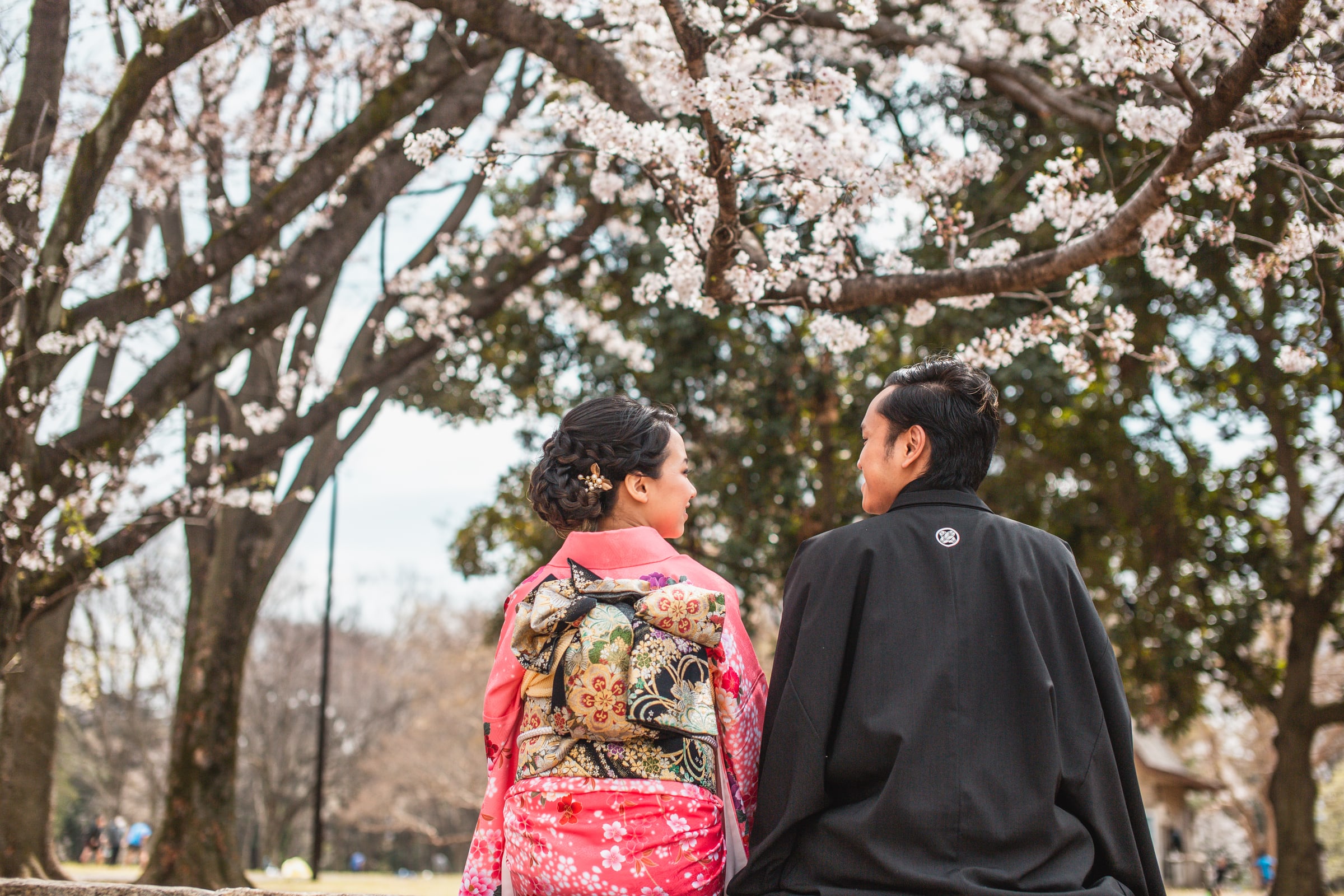
Elopements
Tokyo Elopement Photographer: Small Weddings, Real Prices
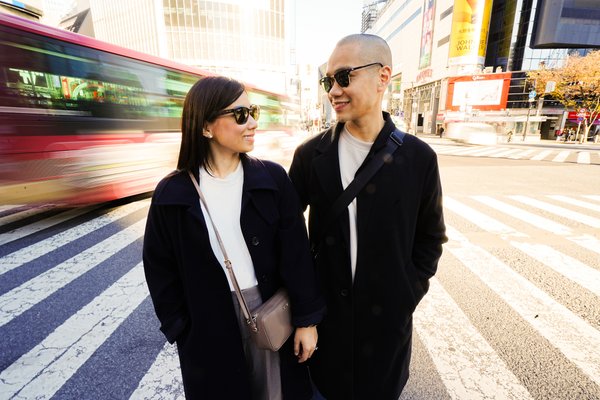
Couples
Couples Photoshoot in Tokyo: Romantic Spots, Posing and Prices
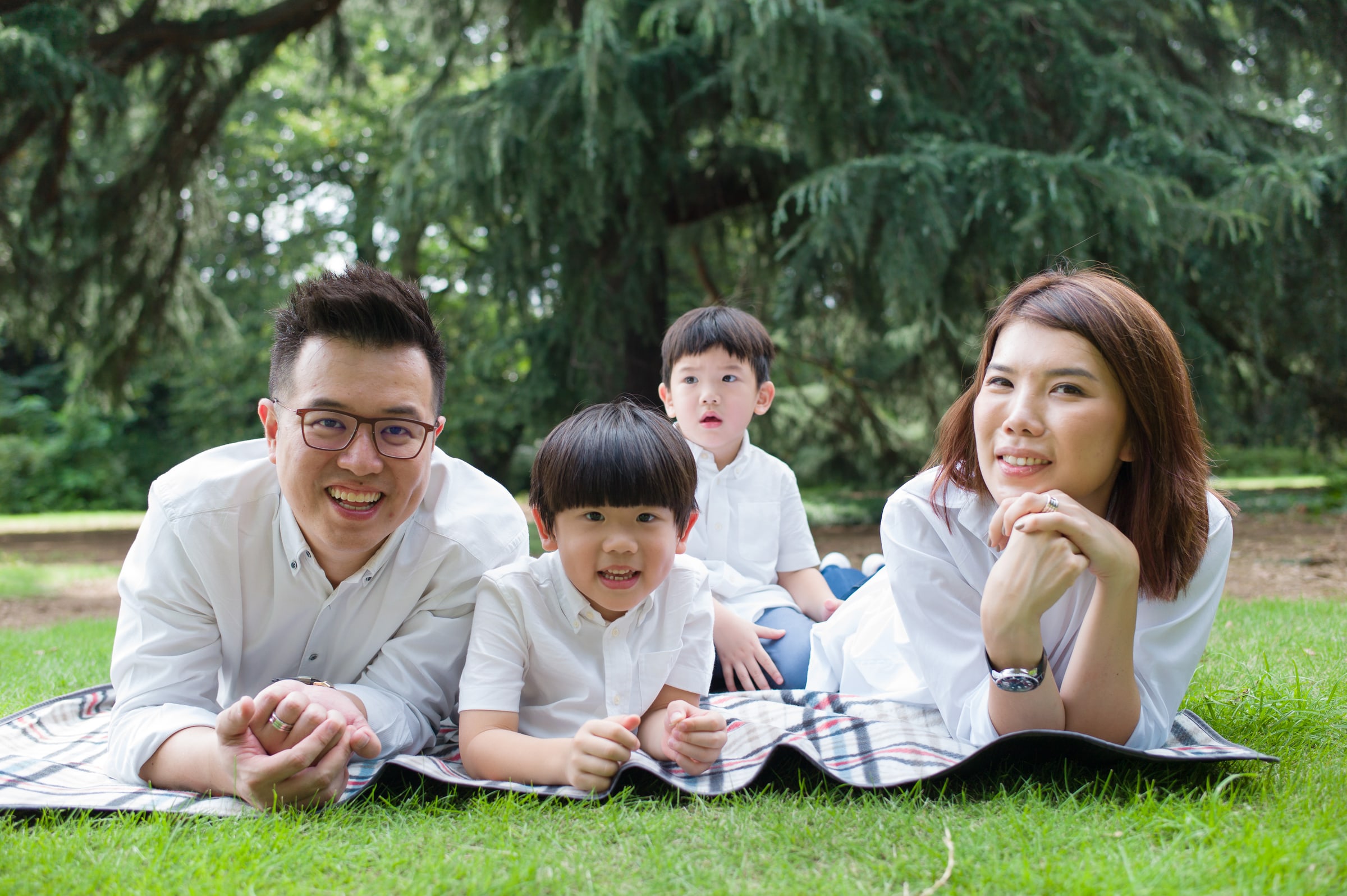
Families
Family Photoshoot in Tokyo: Spots, Timing and What It Costs
Proposals
Planning a Proposal in Tokyo? A Local Photographer’s Guide
Planning
Your Complete Tokyo Photoshoot Guide (2026)
Prices
How Much Does a Tokyo Photographer Cost? (2026)
★ 4.7 · Photos in 48 h
From €109