
Best Photo Spots in Kyoto, Ranked by Real Photoshoots (2026)

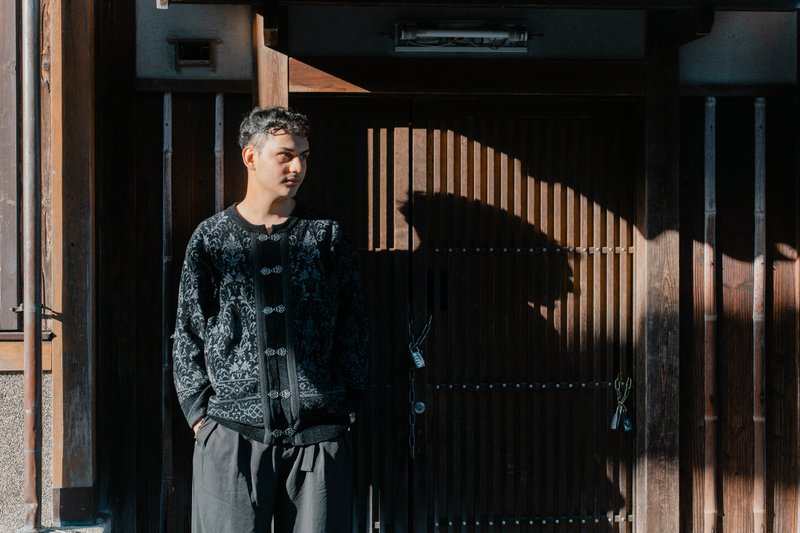
Kyoto photo spots start with Fushimi Inari Shrine: the orange torii gates tunnel uphill in tight rows, the trail climbs through trees that break up harsh midday sun, and the grounds stay open around the clock, so an early pass lets you frame the gates without a crowd wall behind you. Sessions run 15, 30, 45, or 60 minutes, starting from €139, with every photo professionally edited and delivered within 48 hours in a private online gallery. Arashiyama's Bamboo Grove and Gion's lanes around Hanamikoji-dori offer two other kinds of backdrop, dense green stalks versus wooden facades, and each rewards a different approach to light and timing, covered spot by spot below.
Want pro photos in Kyoto?
See Kyoto photographers and prices →Local photographer's tip
“At Kinkaku-ji, go straight to the pond edge just past the entrance and stand a little to the left, so the pavilion sits against the trees, not the sky.”

The Spots
These seven spots range from a mountainside shrine trail to a quiet river confluence, and some sit minutes apart while others need a train or bus between them, so plan each as its own stop rather than one continuous walk. With only 30 minutes, Fushimi Inari or Arashiyama are the places to pick, since those are the only Kyoto photo spots selling a session that short, alongside a 15-minute option.
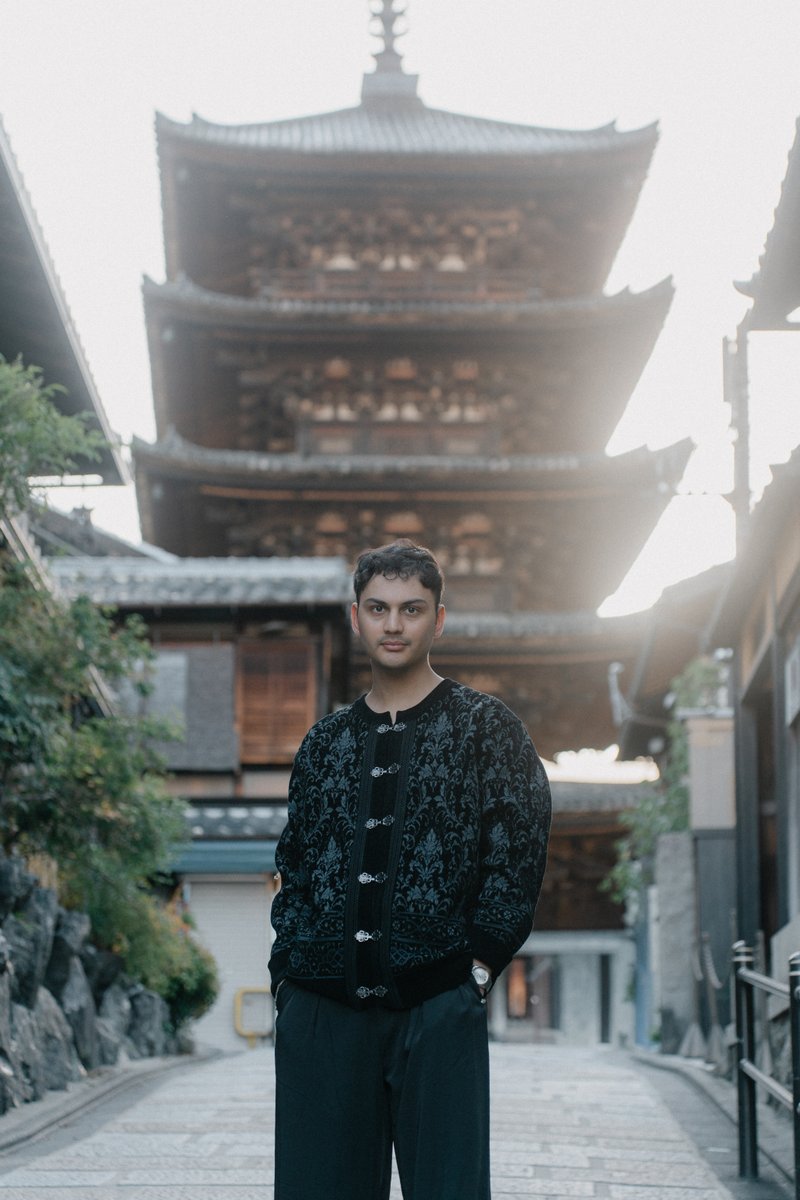
Photoshoot by Muhammad Amin Shodiq, Smiler photographer in Kyoto
1 Fushimi Inari Shrine
Thousands of vermilion torii gates climb the mountainside in tunnels tight enough to fill a frame without any editing trick. The lower gates near the entrance get the most foot traffic, so a short walk up the trail buys you a clear corridor of orange.
from €199crowds: high
Best time: Arrive before the city wakes; the gates never close, and the early light cuts straight down the tunnel.
Tip: Push past the first few hundred metres of gates, where most visitors turn back, for a corridor with far fewer people crossing your shot.
This spot is the meeting point of the “Professional photoshoot at Fushimi Inari Shrine” package.
2 Arashiyama
The bamboo grove's stalks grow so dense and tall that the path below turns into green-filtered shade even at midday, with a narrow walkway that photographs as a single clean line in both directions.
from €139crowds: high
Best time: Early morning or early evening, before and after the day-trip buses arrive.
Tip: The grove has no night lighting outside special events, so don't plan a shot here after sunset.
3 Gion
Kyoto's old geisha district mixes wooden machiya facades, lantern-lit lanes and the occasional maiko hurrying between appointments, all set along streets that stay walkable well into the evening.
from €249crowds: medium
Best time: Early evening, when the lanterns come on but daylight still fills the sky.
Tip: Stick to the main street for photos; several side lanes ban photography of geiko and maiko entirely, with signs and fines posted.
4 Kinkaku-ji (Golden Pavilion)
The gold-leafed pavilion sits at the edge of a reflecting pond, and the fixed one-way path means every visitor gets the same clean view across the water without obstruction.
crowds: high
Best time: Right when the gate opens, before the paths fill for the day.
Tip: The circuit only moves one direction, so pick your framing on the first pass since there's no doubling back for a second look.
Book any package and agree this spot with your photographer in the booking chat.
5 Philosopher's Path (Tetsugaku no Michi)
A canal-side walking trail lined with trees that turn into a tunnel of blossoms in spring and colour in autumn, running quietly between two temples with none of the gates or ticket counters found elsewhere in the city.
crowds: medium
Best time: Spring for the blossoms, November for the foliage, either in the quieter early hours.
Tip: The path has no set hours, so an early pass before the cherry-blossom crowds gather is easy to plan around.
Book any package and agree this spot with your photographer in the booking chat.
6 Kamogawa Delta (Demachiyanagi)
A triangular riverside point where two rivers meet, with flat stepping stones crossing the water and open sky that makes it a favourite for sunset frames.
crowds: low
Best time: Sunset, when the open water catches the colour overhead.
Tip: There are no gates or fixed hours here, so it works as a quiet stop even outside the golden-hour rush at busier spots.
Book any package and agree this spot with your photographer in the booking chat.
Golden-hour slots add €35; the full price is always shown before you pay.


When to Shoot in Kyoto
Golden-hour slots carry a €35 surcharge on top of the package price, so an early-morning booking outside that window is the cheaper route to soft, low-angle light at Arashiyama or Fushimi Inari, while late morning turns harsh and flat across the whole city. That trade-off matters more in some months than others: spring and autumn draw the thickest crowds among Kyoto photo spots, so a slot right at opening light counts for more than the season itself.
Winter mornings are quiet enough that even the busiest torii corridors breathe, and the bare trees along the Philosopher's Path open up sightlines that summer foliage blocks. Spring brings the cherry blossom rush, when an early slot does the most work to keep backdrops clear. Summer's long, humid days push the comfortable shooting window to the very edges of the day. Autumn brings foliage along the Philosopher's Path that draws a steady gathering as the colour peaks in November, so the same early-start logic pays off there too.
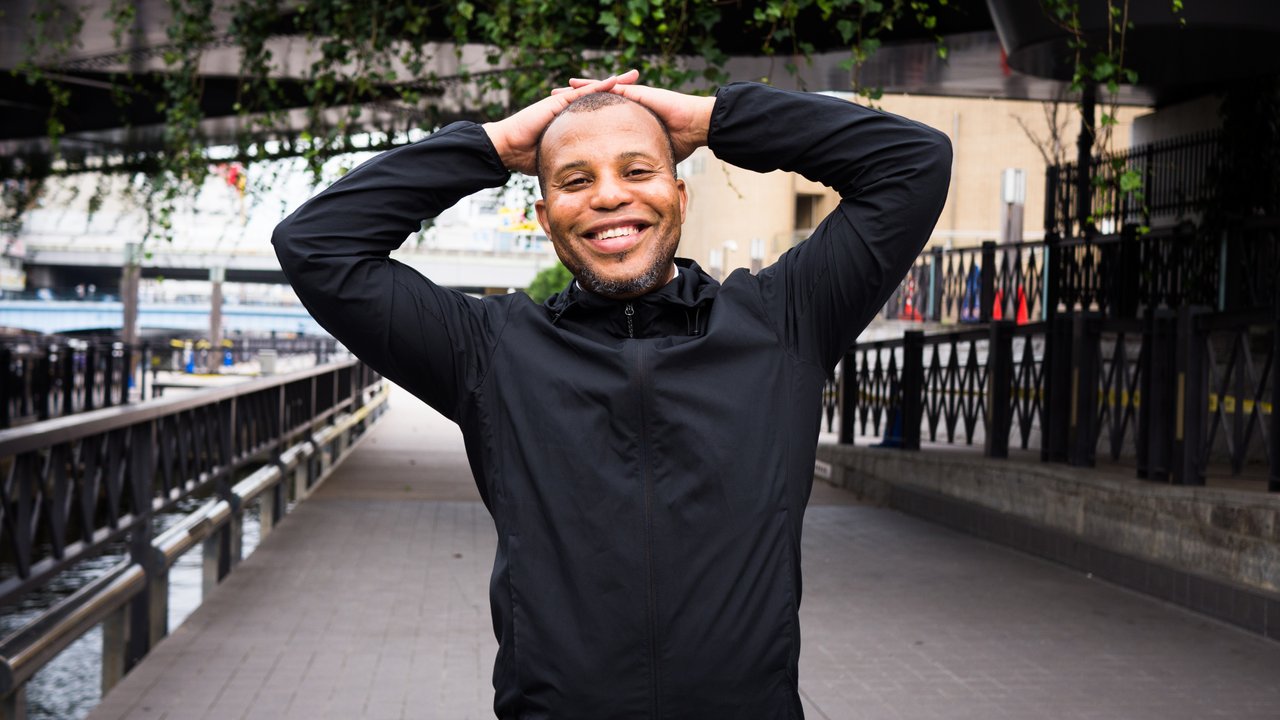
Photoshoot by Felicity Tillack, Smiler photographer in Kyoto
| Season | Sunrise | Sunset | What it means for your shoot |
|---|---|---|---|
| Winter | 06:28–07:05 | 16:45–17:50 | Low sun angle holds through most of the morning and crowds thin out, making bare-tree light at shrines and paths easy to work with. |
| Spring | 04:44–06:27 | 17:51–19:04 | Cherry blossom season brings the thickest foot traffic of the year, so arriving right at opening light is what keeps backdrops clear. |
| Summer | 04:42–05:28 | 18:26–19:15 | Haze and midday glare are strongest now, so shoots lean hard on the earliest and latest parts of the day for workable light. |
| Autumn | 05:29–06:45 | 16:45–18:24 | Foliage along the Philosopher's Path draws a steady crowd as colour peaks in November, rewarding the same early start before it builds. |
FAQ: Kyoto Photo Spots
Which spot should I pick if I only have 30 minutes in Kyoto?
Arashiyama's Bamboo Forest and Fushimi Inari Shrine both sell a 30-minute session for €199 with 25 photos, giving you time to work one backdrop thoroughly. Gion's geisha-district tour and the couples session at Yasaka Pagoda don't offer a 30-minute option, so if either of those is the look you want, book their longer length instead.
Can I choose my own spot or route for the shoot?
Yes. Each package's booking page lists a fixed meeting point, and from there you agree the specific route and angles with your photographer in the booking chat. To shoot somewhere without its own package, such as Kinkaku-ji or the Philosopher's Path, book any package and agree that spot with your photographer the same way.
Do I need a permit for a professional photoshoot in Kyoto?
No permit is needed at Fushimi Inari or Arashiyama's bamboo path, both free and open around the clock. Gion is different: photographing geiko or maiko, or entering the private side streets off Hanamikoji-dori, is banned and can draw a fine, so any Gion session stays on the main public street.
Are sunrise shoots worth getting up for in Kyoto?
Yes at Fushimi Inari and Arashiyama, where arriving before the shrine's amulet counters open or the bamboo path's tour buses fill in gives you open sightlines through the torii gates or the grove. A golden-hour slot adds €35 to the package price, so an early slot just outside that window gets similarly soft, low light for less.
How do photographers deal with crowds at the famous spots?
Fushimi Inari and Arashiyama both get heaviest from mid-morning into mid-afternoon, so booking an early or late slot on the calendar is the main defense against crowds. At Gion, staying on the main public street rather than the private side-lanes also keeps the shoot clear of the areas where photography of geiko and maiko is restricted.
Which spot is best if the weather turns grey?
Gion's covered arcades along the main street still read well under flat light, since the wooden facades don't depend on strong sun. If rain looks likely, check the forecast about two days out: cancelling or rescheduling is free up to 24 hours before the start, but changes get harder to make the closer you get to the shoot.
How much walking should I expect between spots?
Within a single booking, the route is agreed with your photographer in the booking chat and depends on the session length: a 30-minute slot suits one backdrop, while a 60-minute booking at Arashiyama or Fushimi Inari leaves more time to move between a few corners of that same site rather than travelling to another shrine entirely.
Do the photographers know these spots personally?
Yes. The team shoots Fushimi Inari, Arashiyama, Gion and Yasaka Pagoda as part of their regular work in the city, so they bring working knowledge of how the light falls across the torii gates or bamboo stalks and where to stand so a busy path stays out of frame.
Want pro photos in Kyoto?
Book a Kyoto photoshoot from €139 →More Kyoto guides
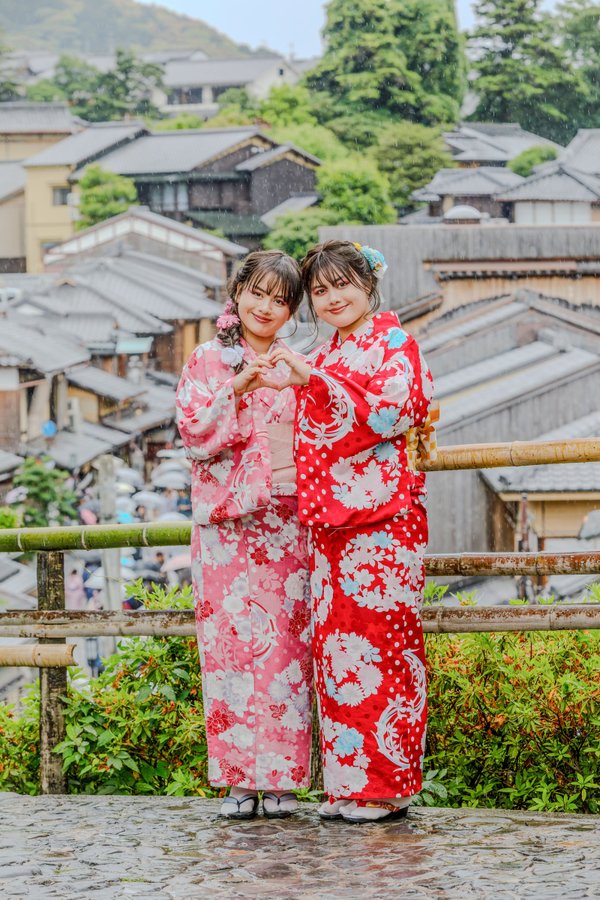
Elopements
Kyoto Elopement Photographer: Small Weddings, Real Prices
Couples
Couples Photoshoot in Kyoto: Romantic Spots, Posing and Prices
Families
Family Photoshoot in Kyoto: Spots, Timing and What It Costs
Proposals
Planning a Proposal in Kyoto? A Local Photographer’s Guide
Prices
How Much Does a Kyoto Photographer Cost? (2026)
Planning
Your Complete Kyoto Photoshoot Guide (2026)
★ 4.9 · Photos in 48 h
From €139